Clarity on Aisle One – Designing for APAC’s Hybridized Cultures
Insights
Retail in APAC is shifting toward clarity-led design, where flow, navigation and emotional ease matter more than overt visual statements.Time is being treated as a design material, with stores intuitively reducing friction and anticipating shopper decisions rather than simply pushing speed.As attention becomes scarce, shoppers reward retail environments that replace visual noise with clear hierarchy, calm zones and focused heroes.Subtle micro-cues in space, colour and texture are increasingly guiding behaviour, replacing loud displays with instinctive ease.Orientation now matters more than display, as shoppers prefer stores that guide them clearly over spaces that overwhelm with choice.
🔊 Listen to this article!
Retail in APAC is undergoing a shift that is easy to miss if you only track the loud signals. The real transformation is happening in the quieter layers of behaviour, layout, colour logic, micro-navigation and spatial intent that consumers decode instinctively. Over the last few years, our observations detect a larger pattern. It is not a unified aesthetic, nor is it a regional template. It is a new way of thinking about retail that prioritises clarity, flow and emotional ease. This is the hidden language shaping stores in 2025. It is subtle, but it is powerful. Time as a Design Material – Not a Constraint
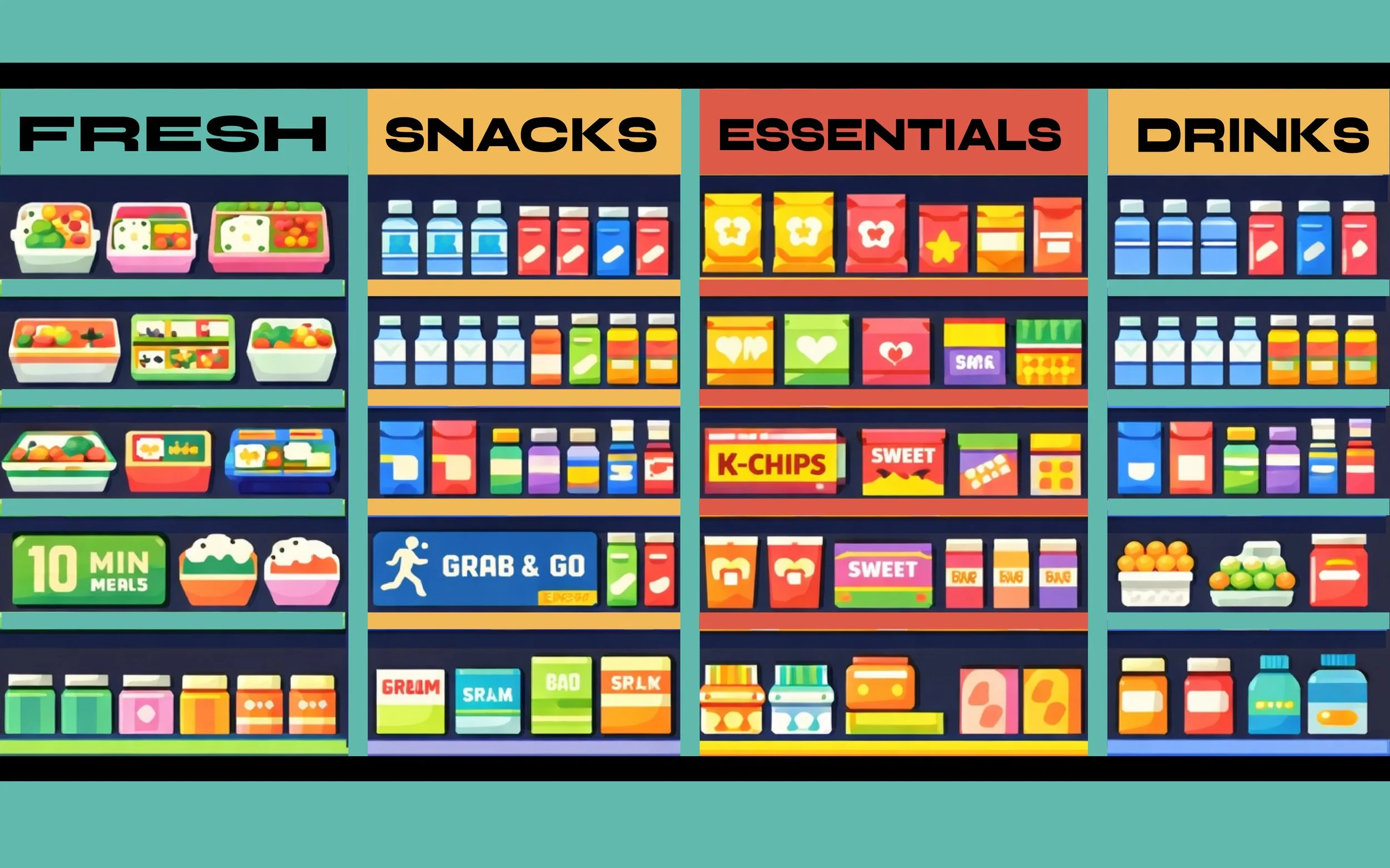
In many global markets, time-efficiency is a systems problem: better billing, fewer queues, simpler signage. APAC has evolved this into something more intuitive. Singapore is a good reference point. Stores treat time like a tangible resource that can be saved, shaped or returned to the shopper. This shows in how category adjacencies are planned; how navigational rhythm is controlled, and how stores anticipate the shopper’s next two decisions. Korea has pushed this further by compressing complexity into micro-clusters that feel effortless to process. Japan accomplishes this through order, Thailand through soft zoning, Indonesia through familiarity, and India through pathing logic that is slowly becoming more deliberate. This shift matters because younger buyers do not experience retail in straight lines. Their mental maps are fluid. They want stores that reduce friction without forcing speed. They want environments that respect their time without reminding them of it. Attention is Now a Scarce Currency
Consumers across APAC have developed an instinctive filter for visual overload. They encounter noise all day on their screens, so brick-and-mortar environments that mirror that noise feel instantly exhausting. The response we are seeing is a move toward what we call confident clarity. Minimalism can feel empty or under-curated. Instead, confident clarity uses visual hierarchy to relieve cognitive load. The stores that do this well use one clear hero, one clear axis of decision-making and one clear visual path. Everything else is designed to fade into support. Thailand’s lifestyle stores do this with colour-led balance. Vietnamese beauty outlets do it with narrow-band palettes that calm the eye. Indian speciality stores are beginning to experiment with pared-back facings that allow bolder claims to land with more authority. Across the region, shoppers reward brands that eliminate noise and create zones of calm. Micro-Cues Are Replacing Macro-Gestures
APAC retail once relied on dramatic gestures: oversized displays, theatrical lighting, stacked facings. That era is fading. What is taking its place is a language of micro-cues that quietly steer behaviour. Micro-cues can be spatial, like a gentle turn in the aisle that tilts your body toward the decision point. They can be chromatic, like a controlled gradient that leads your eye from entry to exploration. They can be textural, like a shift from glossy to matte when you move from consideration to selection. They can be cultural, like the shelf sequencing in Indonesian grocery stores that mirrors community preference patterns. Consumers rarely articulate these cues. They simply feel that a store “made sense”. That is real impact. Orientation Matters More Than Display
For years, APAC retail was dominated by the impulse to display as much as possible. More choice, more excitement, more urgency. That approach does not work anymore. The region’s premium and mass-premium consumers want to know where they are in the store, not just what the store offers. Orientation is becoming central to design thinking. Japan and Singapore are the most advanced here, but even Indian metros are showing the shift. Aisles are being sequenced with intention. Breadcrumbs of communication act as orientation nodes, not sales triggers. Orientation acknowledges something fundamental: shoppers are more willing to explore when the space behaves like a guide, and not a billboard. Aesthetic Expectations Are Stabilising Across Markets
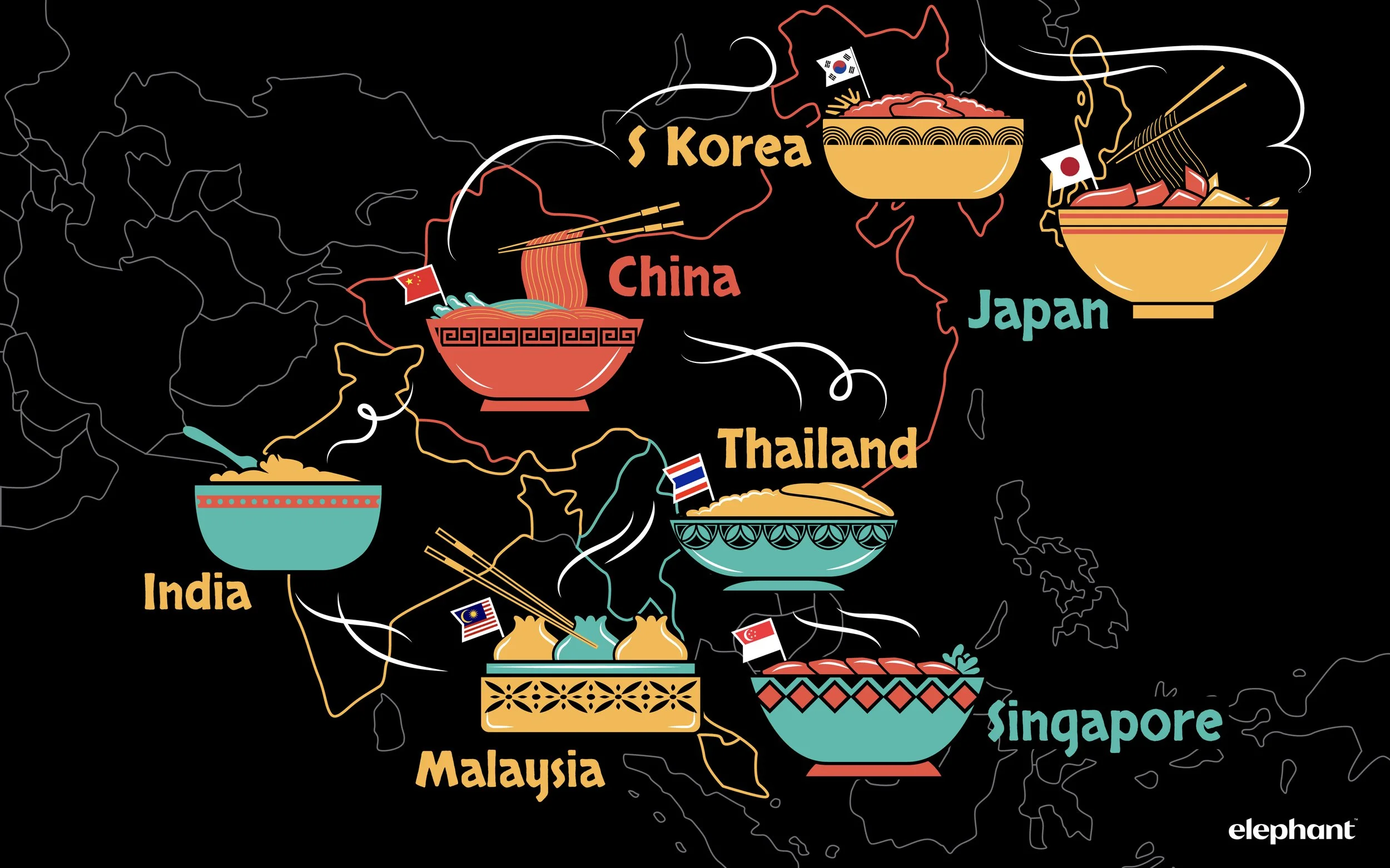
The region is diverse, but its aesthetic expectations are converging toward a shared, hybrid, pluralistic sensibility. Shoppers want environments that feel clear without being severe, contemporary without being anonymous and premium without being exclusionary. Colour plays a large role here. Thailand and Vietnam lean toward saturation that photographs well. Japan and Singapore lean toward neutrals that permit precision. Korea uses contrast to dramatize curation. India is beginning to blend these cues into hybrid palettes that are aspirational but not intimidating. Across categories, the outcome is the same: shoppers reward brands that demonstrate assurance through restraint. What This Means for Brands Working Across APAC
The lesson for brands is simple: the region is moving toward clarity-driven retail. Clarity of layout, clarity of pace, clarity of colour, clarity of navigation and clarity of confidence. This clarity embodies design maturity, which acknowledges that shoppers do not need to be impressed every second. They need to feel considered. As we design retail systems across APAC, this principle continues to guide our work:
Make the environment smarter, so the shopper exerts less effort.
The brands that adopt this mindset will scale better, translate better and stay culturally relevant longer.