
Clean-Bowled: The Gen-Z Meal Format Defining Eating in APAC
Insights
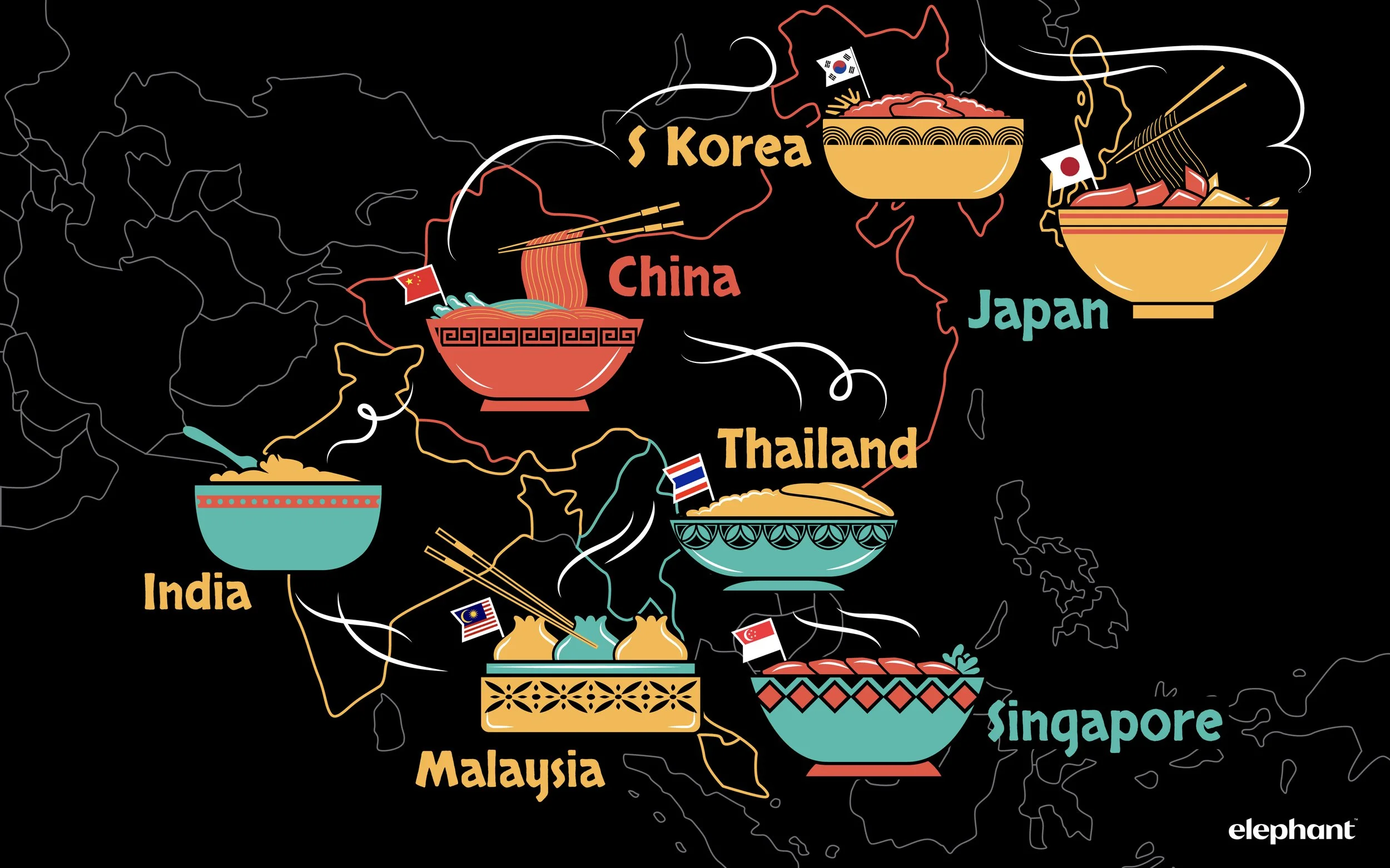
The bowl has become Gen Z’s default meal format in APAC, delivering completeness, speed and portability for fluid urban lifestyle.Bowls enable modular, customisable eating without complexity, allowing flavour and nutrition tweaks while maintaining balance and driving repeat choice.The bowl’s clean, top-view aesthetic makes food a visual identity marker that brands can own, share and scale across platforms.Foodservice and QSR brands across APAC are redesigning menus and operations around bowls to improve speed, efficiency and modern interpretations of local cuisine.The bowl signals a long-term behavioural shift, rooted in culinary heritage while meeting modern needs for flexibility, wellness and convenience.
🔊 Listen to this article!
Trend 1: The Bowl as the New Default Meal Format
Across APAC, the bowl has become the region’s most preferred meal structure. What once functioned as a traditional vessel now drives how young consumers choose and assemble their food. Bowls offer a sense of completeness within a compact footprint. They support quick decision-making, easy portioning, and frictionless transitions between home, office, commute, and social settings. In a region that prioritises speed and convenience, the bowl fits seamlessly into daily life. Trend 2: Modular Eating for a Modular Lifestyle
Gen Z and young millennials are choosing meals that can be customised without effort. The bowl format is ideal for this behaviour because it promotes balance without complexity. Components can be switched or layered while still feeling cohesive. Consumers can scale up protein, reduce carbs, add texture, or play with flavours without creating a “broken” dish. This modularity aligns with the region’s increasingly fluid routines and encourages repeat purchases through personalised combinations. Trend 3: The Visual Culture of Eating
APAC is driven by a strong visual food culture, and bowls are winning because they photograph beautifully. The overhead angle presents a curated view of ingredients that is instantly shareable. Colours, grains, sauces, and toppings read clearly in a single frame. Young consumers gravitate toward meals that communicate identity through aesthetics, and the bowl’s clean circular composition offers a perfect storytelling surface. Brands are using this to create signature looks that reinforce recognition across platforms. Trend 4: Retail and QSRs Redesigning Around the Bowl
Foodservice players across the region are restructuring offerings to accommodate bowl-based dining. In Korea and Singapore, build-your-bowl counters streamline customisation without slowing down service. Japanese convenience stores have perfected stacked bowls that preserve texture and temperature. Thai and Indonesian brands are evolving rice and noodle bowls into modern reinterpretations of local flavours. The shift signals a wider industry move toward compact, modular, and efficient meal solutions that resonate with the region’s urban consumers. Trend 5: Heritage Meets Modernity
The bowl trend feels authentic because it is rooted in APAC’s culinary memory. Bowls represent warmth, comfort, and familiarity. When combined with today’s wellness, personalisation, and convenience priorities, the result is a format that feels both nostalgic and new. It bridges tradition with modern eating habits in a way that does not appear forced or borrowed. This emotional resonance is a large part of why the format has sustained momentum rather than fading as a fad. Trend 6: A Behaviour, Not a Fad
The rise of bowl-based dining points to a longer cultural and behavioural shift. It aligns with APAC’s fast-paced routines, dense urban environments, and preference for layered flavours. It also matches younger consumers’ desire for meals that are flexible, nutritious, portable, and visually clear. For brands, understanding bowl behaviour means designing experiences that support ease, clarity, and customisation. The bowl is no longer just a product. It is a behaviour shaping the future of eating in APAC. . 
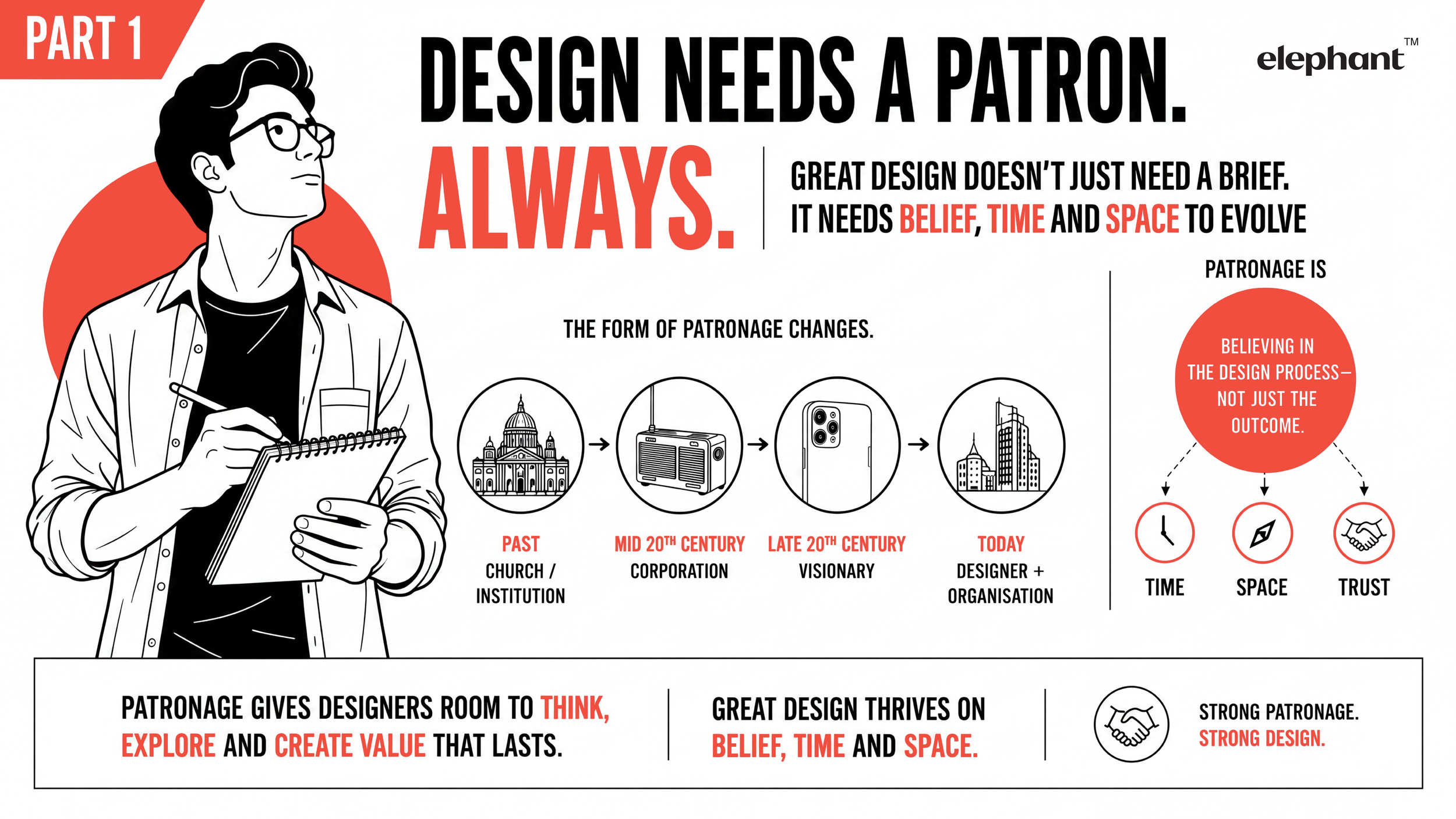
Design Needs a Patron
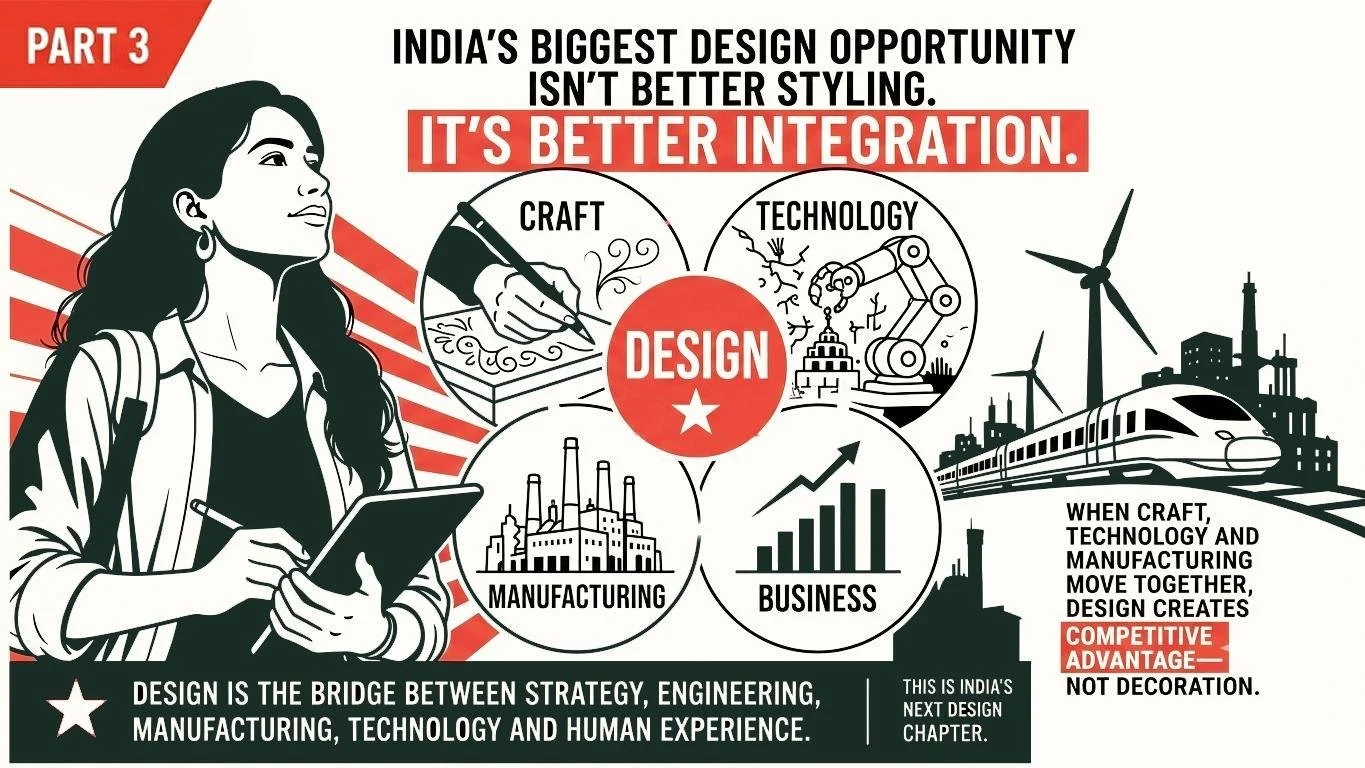
The Design Paradox - PART 3 India’s Biggest Design Opportunity Isn’t Better Styling. It’s Better Integration.
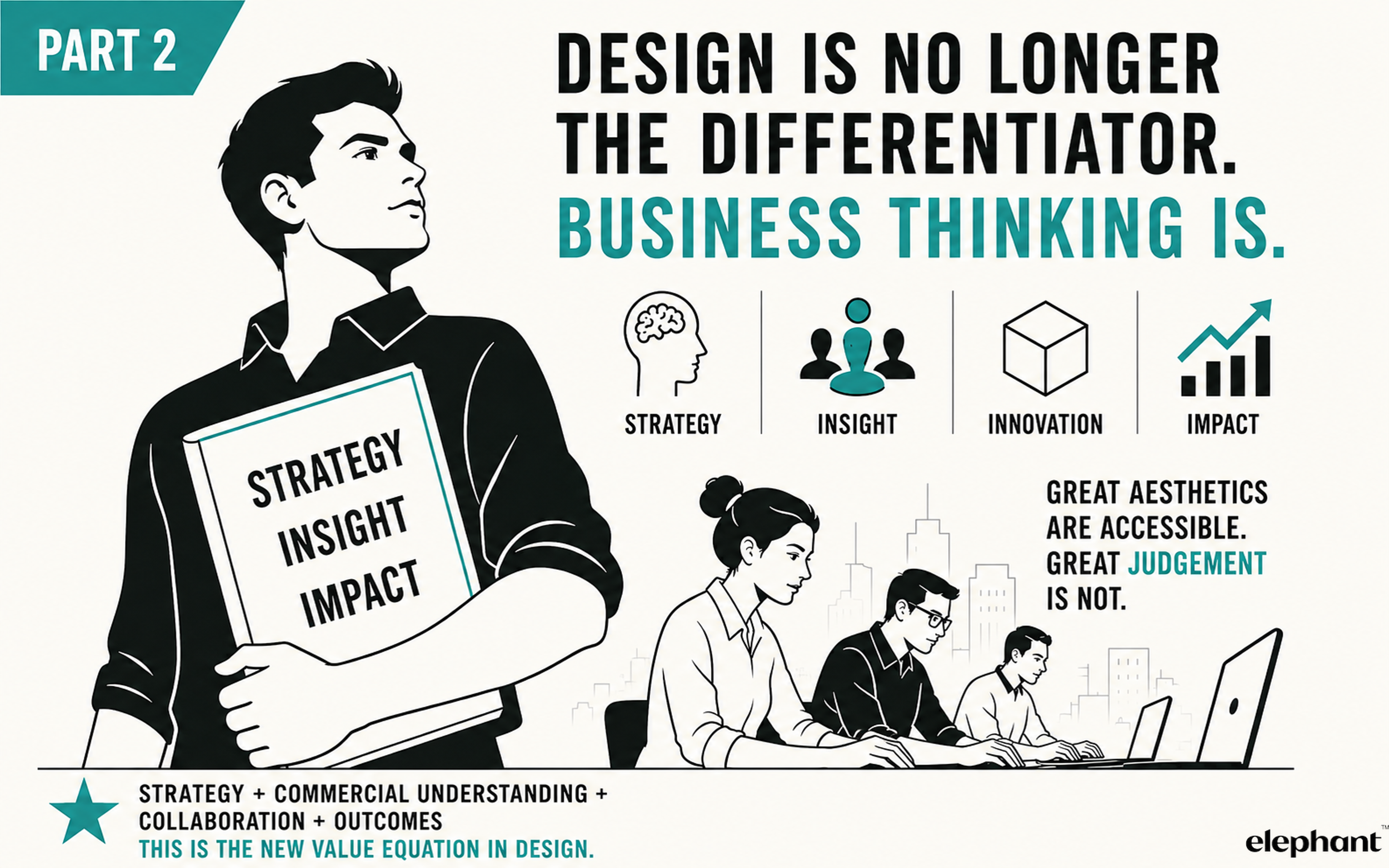
The Design Paradox - Part 2: Design Is No Longer the Differentiator
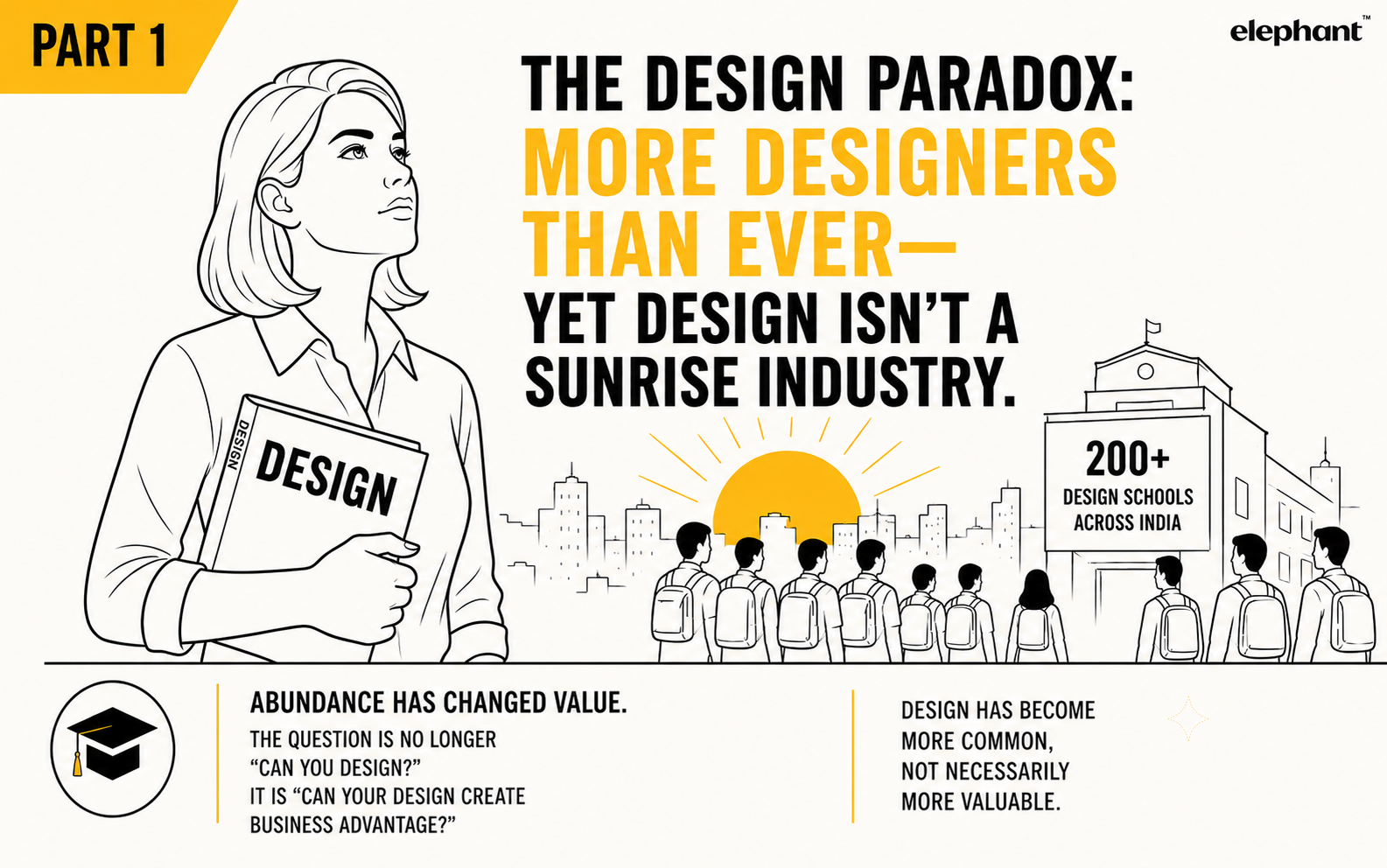
The Design Paradox - The Trajectory of India’s New Design Landscape
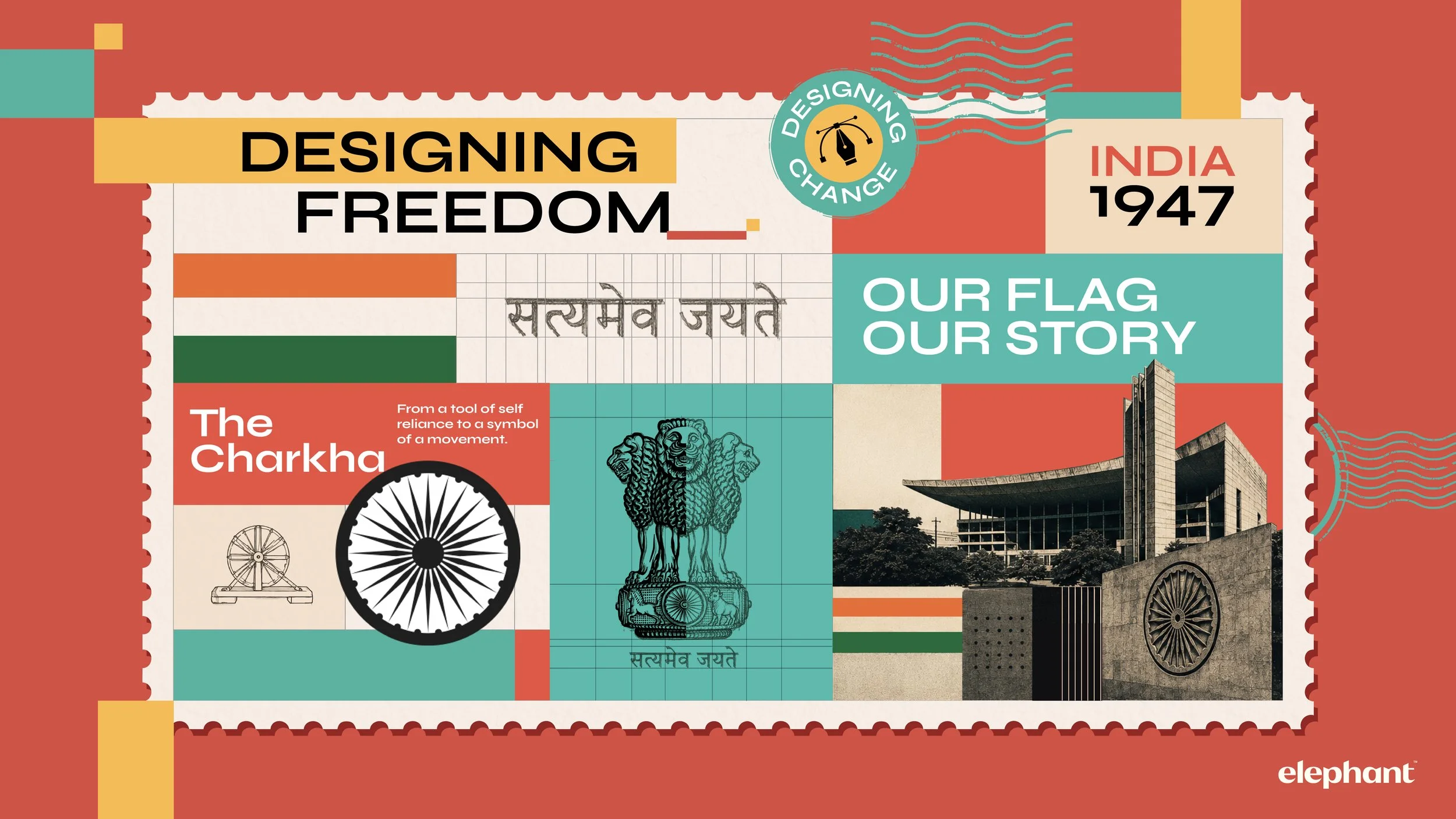
Designing Freedom
The Screen Is Not Enough: Why D2C Brands Are Moving Offline
Designing Tomorrow (Part 2): Elephant’s Digital Action Plan
Designing Tomorrow (Part 1): Why Digital Experiences Need a New Blueprint
Note: the blog page layout needs to be set to “Basic Grid Blog” through the page’s settings.
Note: the blog page layout needs to be set to “Basic Grid Blog” through the page’s settings.

Note: the blog page layout needs to be set to “Basic Grid Blog” through the page’s settings.

Note: the blog page layout needs to be set to “Basic Grid Blog” through the page’s settings.

Note: the blog page layout needs to be set to “Basic Grid Blog” through the page’s settings.

Note: the blog page layout needs to be set to “Basic Grid Blog” through the page’s settings.

Note: the blog page layout needs to be set to “Basic Grid Blog” through the page’s settings.

Note: the blog page layout needs to be set to “Basic Grid Blog” through the page’s settings.

Ashish Deshpande is a M Des eq., Industrial Designer, trained at the National Institute of Design, Ahmedabad. He has been a practicing designer for over 34 years as co-founder of the multi-disciplinary Design Consultancy firm, Elephant.

Note: the blog page layout needs to be set to “Basic Grid Blog” through the page’s settings.

Note: the blog page layout needs to be set to “Basic Grid Blog” through the page’s settings.

Note: the blog page layout needs to be set to “Basic Grid Blog” through the page’s settings.

Note: the blog page layout needs to be set to “Basic Grid Blog” through the page’s settings.

Note: the blog page layout needs to be set to “Basic Grid Blog” through the page’s settings.

Note: the blog page layout needs to be set to “Basic Grid Blog” through the page’s settings.

Note: the blog page layout needs to be set to “Basic Grid Blog” through the page’s settings.

Note: the blog page layout needs to be set to “Basic Grid Blog” through the page’s settings.

Note: the blog page layout needs to be set to “Basic Grid Blog” through the page’s settings.

Note: the blog page layout needs to be set to “Basic Grid Blog” through the page’s settings.

Note: the blog page layout needs to be set to “Basic Grid Blog” through the page’s settings.


Framework for Managing Design