The Screen Is Not Enough: Why D2C Brands Are Moving Offline
Insights
Offline stores build trust that digital alone can't. Customers gain confidence through physical interaction, expert guidance, and experiencing the brand firsthand—especially for high-consideration purchases.The strongest D2C brands create an omnichannel journey. Stores and digital channels complement each other, driving repeat purchases, stronger brand recall, and a seamless customer experience.Physical stores are more than sales channels. They serve as brand-building spaces, customer research hubs, and long-term marketing assets that generate insights, loyalty, and organic visibility beyond paid advertising.
🔊 Listen to this article!
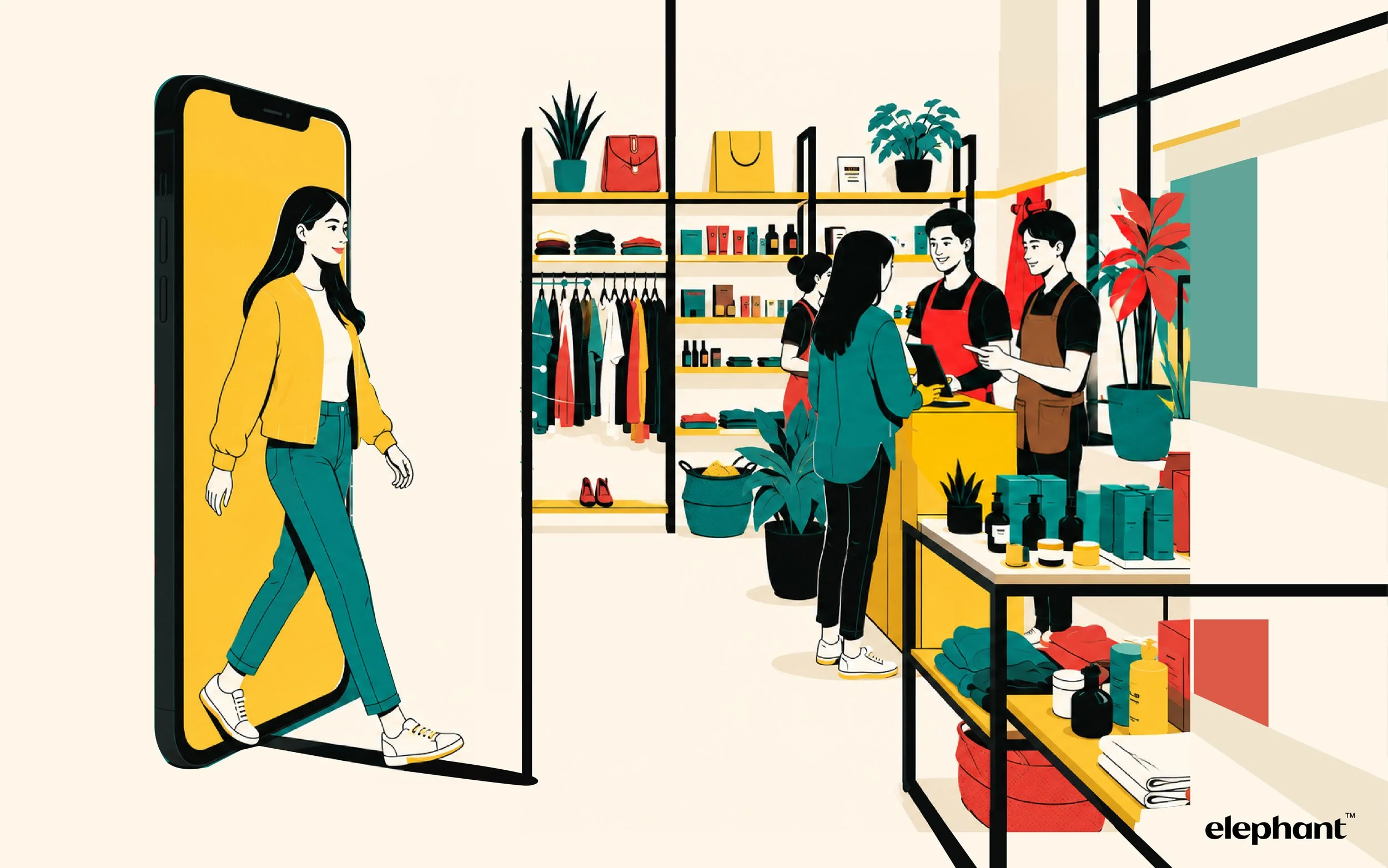
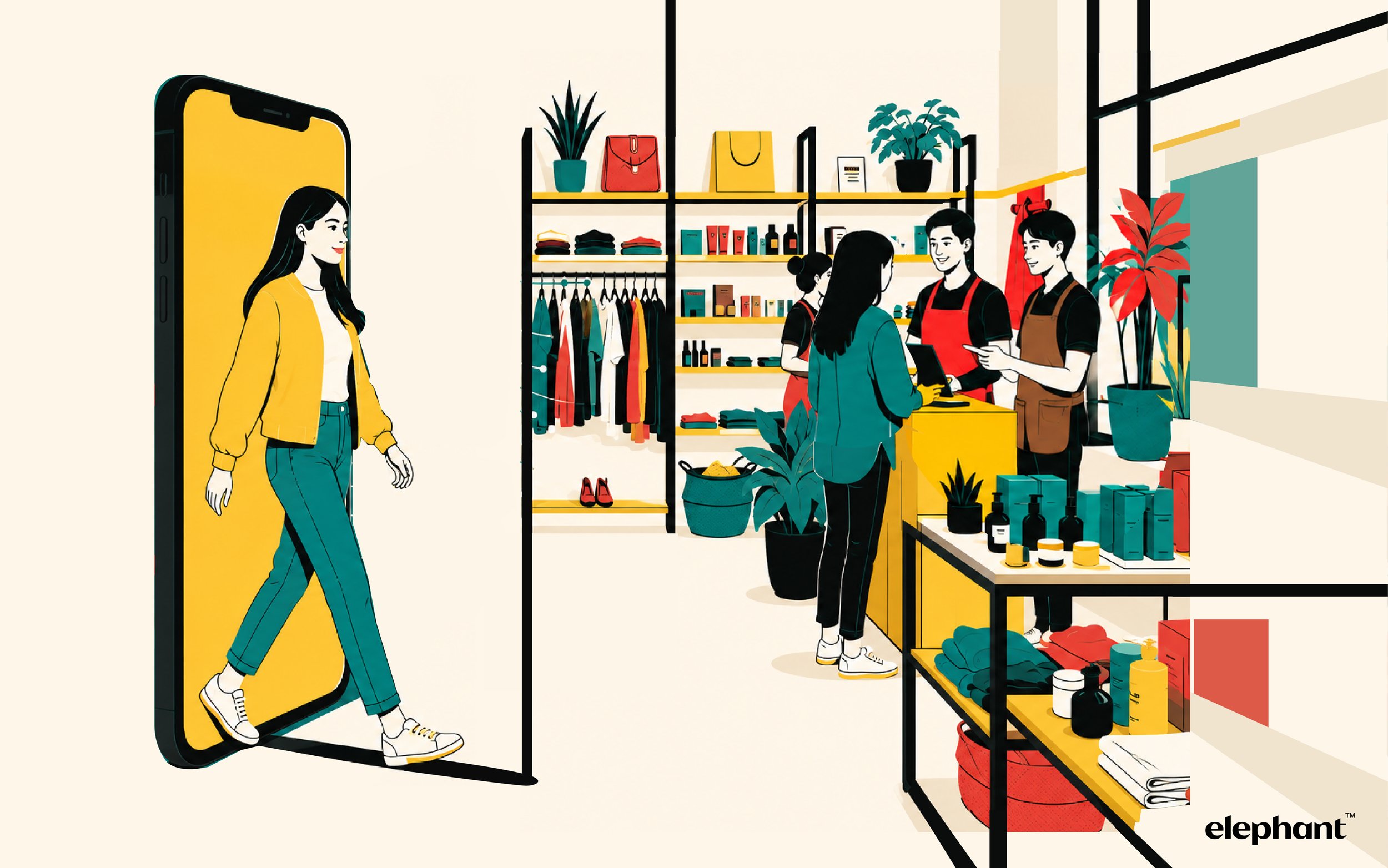
A customer spends 40 minutes on your website. She compares reviews, saves a few products, and leaves without buying. A few days later she walks into your store, spends eight minutes inside, and completes the purchase.

That shift is why digitally native brands are leasing mall space at a pace few predicted two years ago. Across India, D2C brands took up nearly 600,000 square feet of retail space in the first half of 2025 alone. Lenskart now runs more than 2,270 stores. Snitch reached 100 stores in under 18 months. The Bear House opened its first store in March 2025 and had a presence in seven cities within months.

Digital commerce got these brands to scale fast. Scale has started exposing what a screen struggles to do on its own. Some products need to be touched before they're trusted, and some questions only get asked to a person standing in front of you.
Communicating Commitment
Consider someone shopping for skincare. She's spent days comparing ingredients, reading reviews, watching creators recommend products, and narrowed her choice to two or three brands without buying anything.

Then she visits the store. She tests textures, asks about her skin, and watches how the staff member responds before deciding whether to trust the advice. The product hasn't changed. What she's gained is the chance to check her judgment against a real person in a real room, and that shifts how confident she feels about the decision.

A thoughtfully designed store signals that a brand has invested in being here to stay. Every material, display, and conversation adds to that impression, whether the brand intends it or not. For emerging D2C brands, the store often becomes the first place customers experience the business at full scale.
Experience Builds Memory
Most people don't remember every website they've browsed. They remember the fragrance consultation where someone actually understood their preferences, the sneaker customization session that felt collaborative, the jewellery appointment where the recommendation matched their personality instead of a sales quota.

Those moments stick because they involve participation. Physical retail gives customers something to touch, compare, question, and sit with at their own pace. As categories fill up with similar products at similar prices, that kind of experience becomes one of the few ways left for a brand to stand out from the next tab on the browser.
The Store and the App Move Together
Most founders assume a store will cannibalise online sales. What actually happens looks different in practice.

A customer discovers a brand on Instagram, visits the store on a Saturday, tries three things, buys one. By Tuesday she's back on the app ordering the other two. The store gave her a reason to come back to the app, and the two channels ended up doing more business together than either would have done alone.

The strongest D2C businesses design for that back-and-forth deliberately. Their stores, websites, packaging, and customer support carry the same visual language and tone of voice. Rising ad costs across Meta and Google have squeezed the economics of relying on paid reach alone, and a store generates its own visibility through location, repeat visits, and word of mouth, introducing people to the brand long after a campaign budget has run dry. Product Visalization (3D/AR) with wearable‑first validation
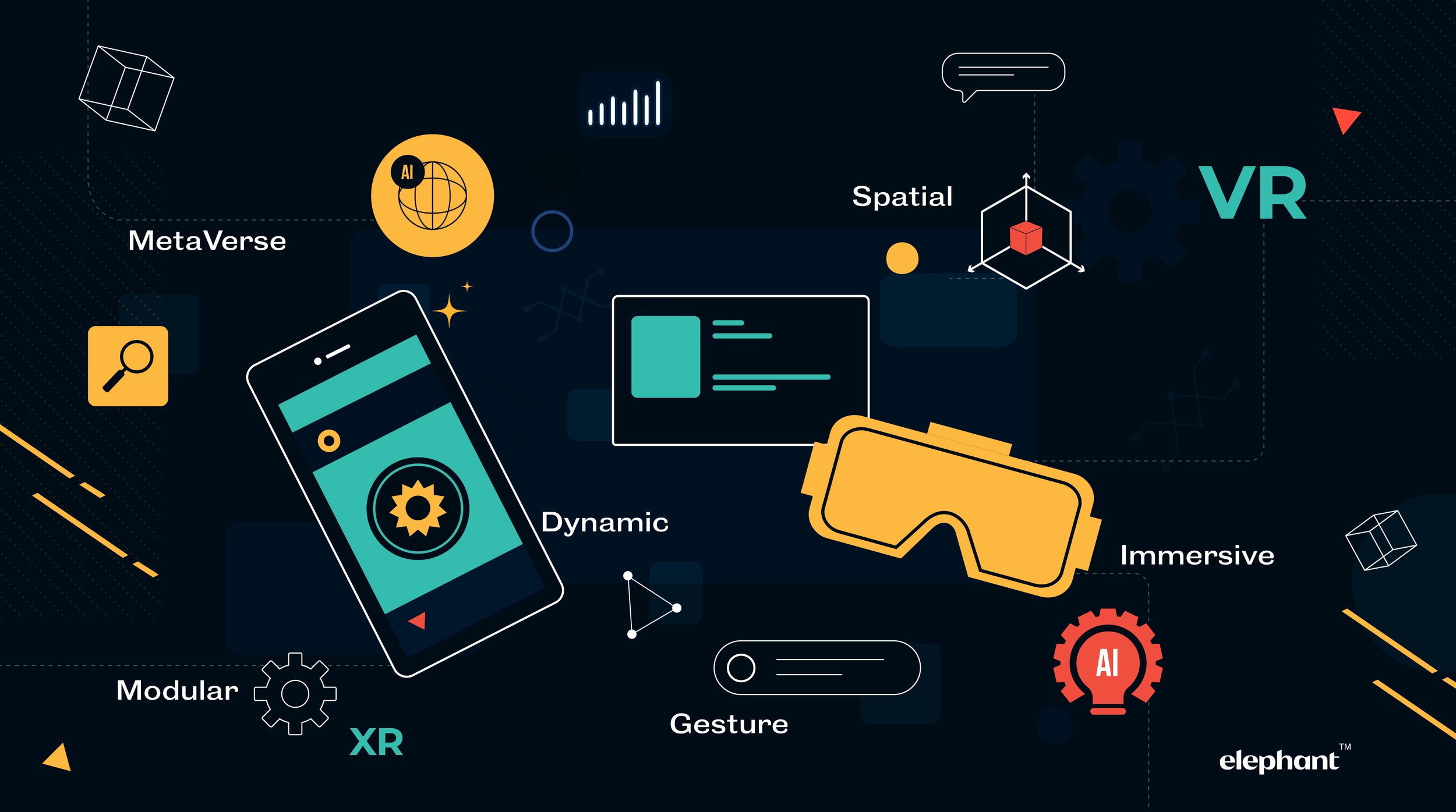
Webfriendly 3D previews and AR entry points are combined with wearablefirst validation to test overlay stability, contrast, and gesture discoverability beyond mobile constraints. Stakeholders align through VR walkthroughs before any build, in contexts ranging from automotive configurators to FMCG retail planning. Stores Reveal What Dashboards Miss
Analytics can show where a customer drops off a website or which product converts best. Walking the shop floor answers a different set of questions. A customer might hesitate at the counter because the packaging is confusing her about which variant to pick. Another might return to the same shelf three times across a single visit, unsure how a product fits into a routine she hasn't fully worked out yet.

Brands that collect these observations systematically build a sharper read on customer behaviour than a spreadsheet can offer by itself. Over time, that read shapes merchandising, product decisions, and how the next store gets designed. A team trained to notice and log what they see on the floor turns the store into a research instrument that keeps paying dividends long after the ribbon-cutting.
A Great Store Outlasts the Campaign
Every marketing campaign has a lifespan. Budgets run out, impressions slow down, attention moves on. A well-designed store keeps working the next morning and the one after that.

It introduces the brand to whoever walks past it, gives existing customers a reason to return, and creates the kind of moment people photograph and send to a friend without being asked to. A flagship store in a busy neighbourhood earns the brand a kind of daily, ambient visibility that no media plan can quite replicate.
Customers Move Between Touchpoints Without Thinking About It
A shopper discovers a product on Instagram, compares options on the website, walks into a store while passing through a mall, asks a question on WhatsApp, and places the order through the app. She experiences these facets as one relationship with one brand.

The brands that handle this well keep the same identity recognisable at every stop: the same tone, the same visual language, the same standard of service, so customers never have to recalibrate their expectations mid-journey. That familiarity compounds into trust over repeated visits, and trust is what gets someone to return, recommend the brand to a friend, and try a category they hadn't considered before.
A Bad Store Can Undo a Good Brand
Opening a store raises the stakes. Generic lighting, indifferent service, fixtures that could belong to any brand on the street: none of that stays contained to the store. It shows up in a review, a comment, a conversation that chips away at trust the brand spent years building online. The common mistakes repeat across categories: expanding before the store experience is right, treating the space as a warehouse, investing heavily in interiors while ignoring staff training and merchandising.

The founders who get this right treat their first store the way they treated their first product launch, with the same scrutiny, the same willingness to delay for the sake of getting it right, the same understanding that this is the version customers will judge everything else against.
The Real Question
The question is, what should the store be doing for the brand that nothing else can?

A jewellery brand might use its store to build the confidence needed for a five-figure purchase. A sneaker brand might use it to turn first-time buyers into repeat customers through customisation sessions a website cannot offer.

The answer changes by business, by category, and by what the brand is trying to prove at that stage of its growth. What stays constant is the opportunity: a store that gives someone a reason to stay past the transaction, and a story worth repeating to the next customer.