Designing Tomorrow (Part 2): Elephant’s Digital Action Plan
Insights
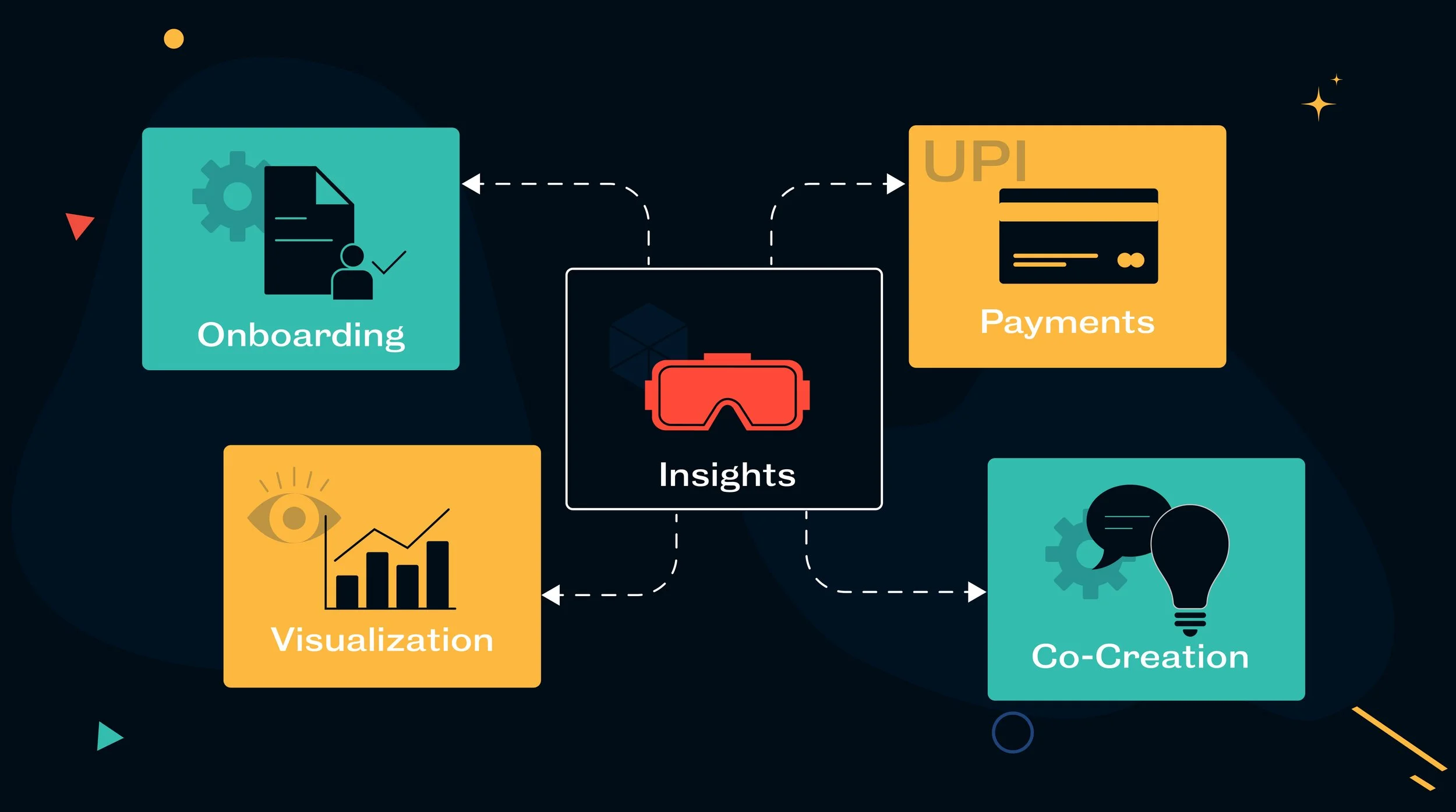
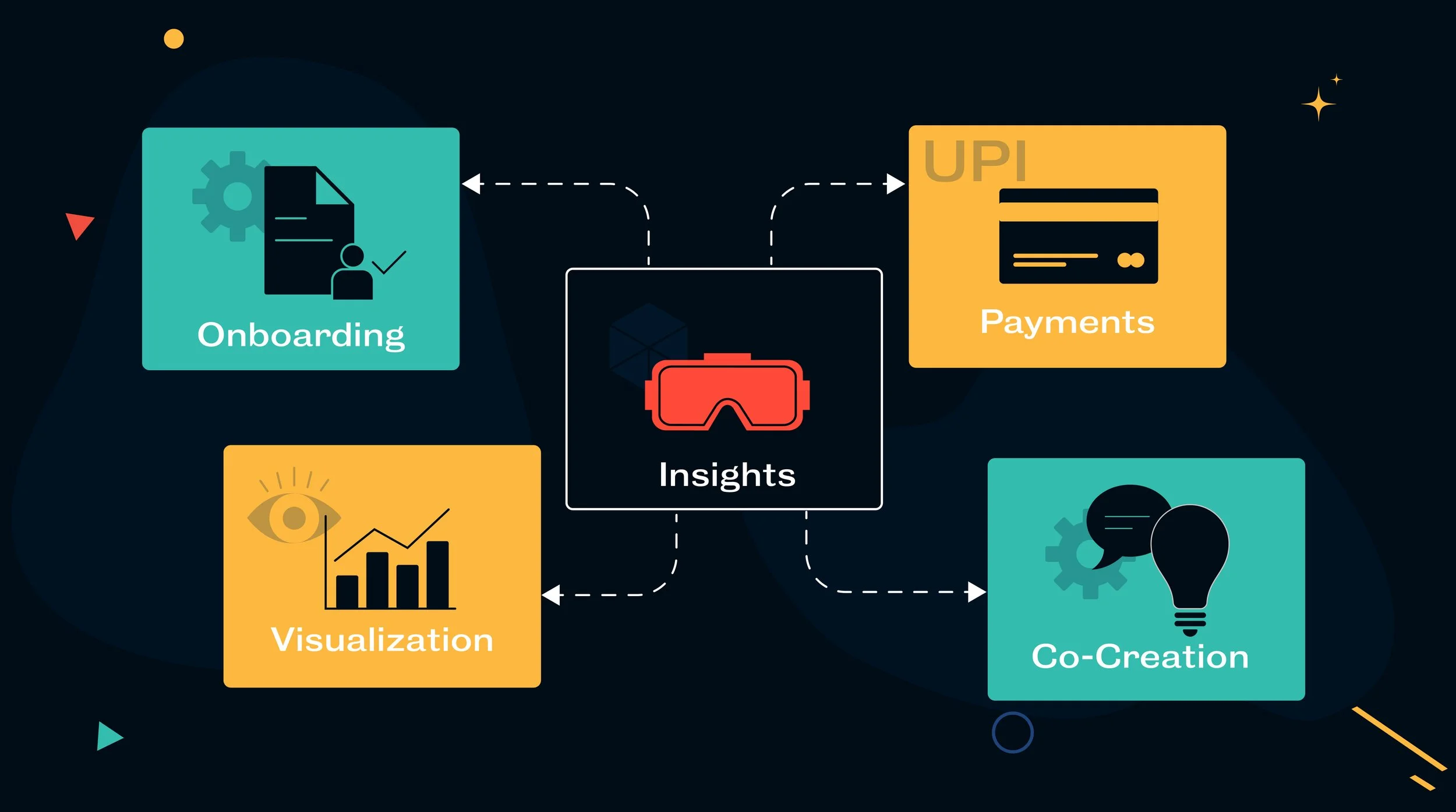
Elephant’s Digital Products Microsite provides deployment‑ready modules and blueprints, bridging the gap between conceptual design and rapid, low‑risk pilot deployment.Modular flows for onboarding, payments, and product visualization help enterprises ship proven, accessible, and integration-ready experiences faster.Immersive tech (VR/AR/XR) is used as a core design instrument, enabling lifesize validation, collaborative decision‑making, and wearable‑first AR testing in real environments.Co‑creation is the operating model, aligning client engineering, product, and design teams around shared metrics, composability, and incremental releases.The practice roadmap focuses on intelligence and inclusion—AI‑assisted guidance, adaptive personalization, explainability, WCAG 2.2 compliance, sustainability KPIs, and performance budgets.The overarching goal is moving from idea to impact faster, uniting design craft, modular architecture, and immersive validation to deliver outcomes that scale.
🔊 Listen to this article!
In Part 1,
the focus was on why digital experiences need a new blueprint—driven by personalization, spatial computing, modular architecture, inclusion, and evolving aesthetics. This part shifts from signals to practice: how Elephant is turning those patterns into a concrete action plan for clients.Elephant's digital product and experience practice extends the studio's legacy across brand strategy, identity, packaging, industrial design, and retail into an integrated digital canvas. The next phase is about turning patterns into deployment‑ready modules and using immersive technology as part of the design process itself. Your gateway to future‑ready solutions: the Digital Products Microsite
The Digital Products Microsite is a practical path from insight to impact—a living library of ready‑to‑deploy modules, integration blueprints, and observability hooks so pilots move quickly and safely. It is designed as a decision‑enablement tool for client teams: a place to explore flows, understand integration options, and imagine how these pieces can plug into existing stacks.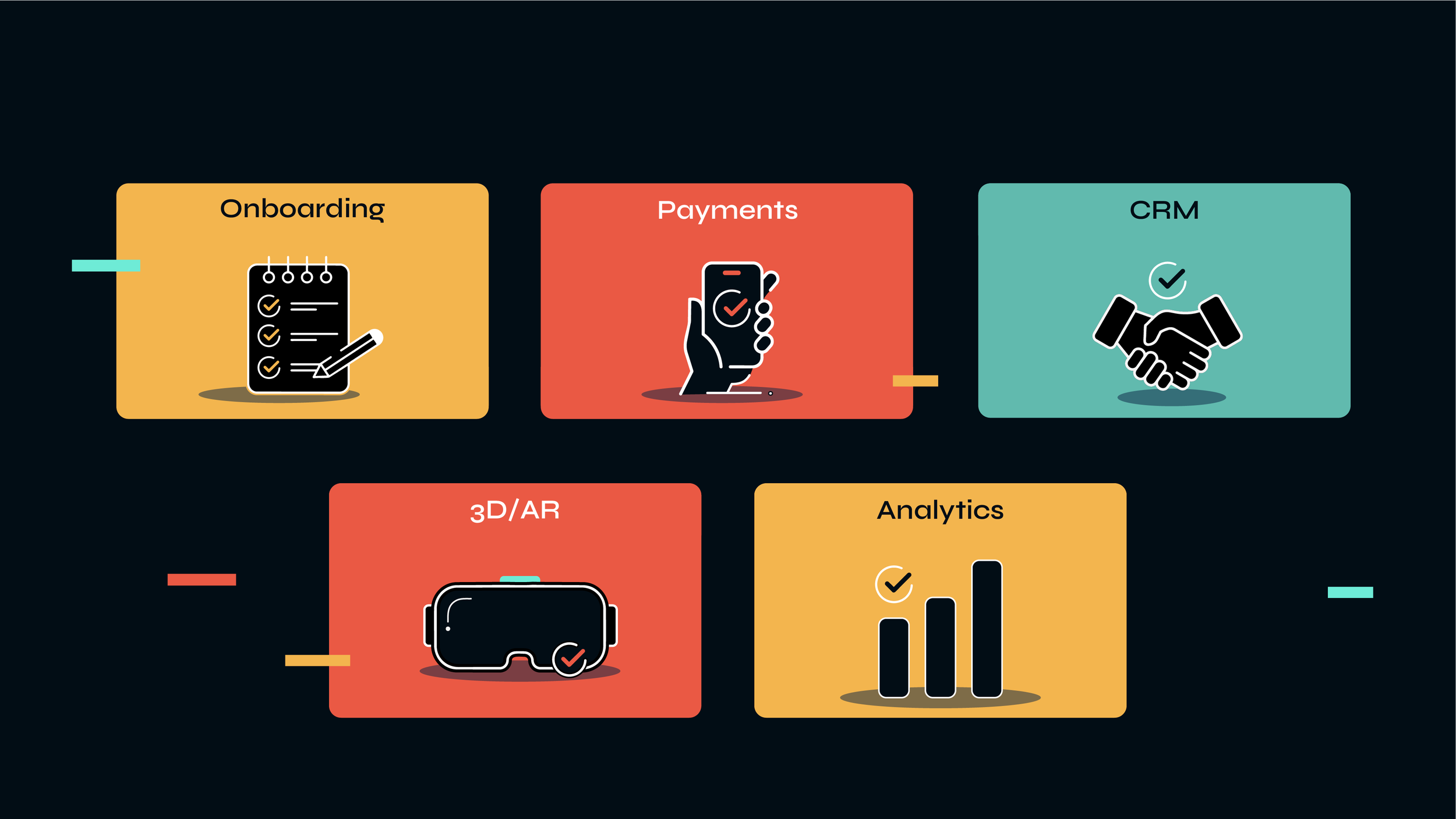
Key module families include: Onboarding (plug‑and‑play, card‑based)
Complex first‑time journeys—banking KYC, patient registration, loyalty sign‑ups—are broken into guided, digestible steps with clear progress indicators and OTP‑first authentication. Internal benchmarks show lower cognitive load and faster completion in early deployments, supported by large touch targets, readable type, and optional voice guidance that serve both regulated BFSI and healthcare contexts.Case study link: https://elephantdigital.in/CaseStudy/onboarding
Payment Gateway (trust‑first, inclusive checkout)
Guided confirmation, transparent pricing with inline edits, UPI and tokenized cards, live status feedback, and errorforgiving flows turn a risk zone into a supported completion zone. Implementation references follow accessibility guidelines and enterprisegrade integration patterns such as retries, callbacks, and controlled timeouts for BFSI and FMCG commerce experiences.Case study link: https://elephantdigital.in/CaseStudy/payment-gateway
Product Visualization (3D/AR) with wearable‑first validation
Webfriendly 3D previews and AR entry points are combined with wearablefirst validation to test overlay stability, contrast, and gesture discoverability beyond mobile constraints. Stakeholders align through VR walkthroughs before any build, in contexts ranging from automotive configurators to FMCG retail planning.
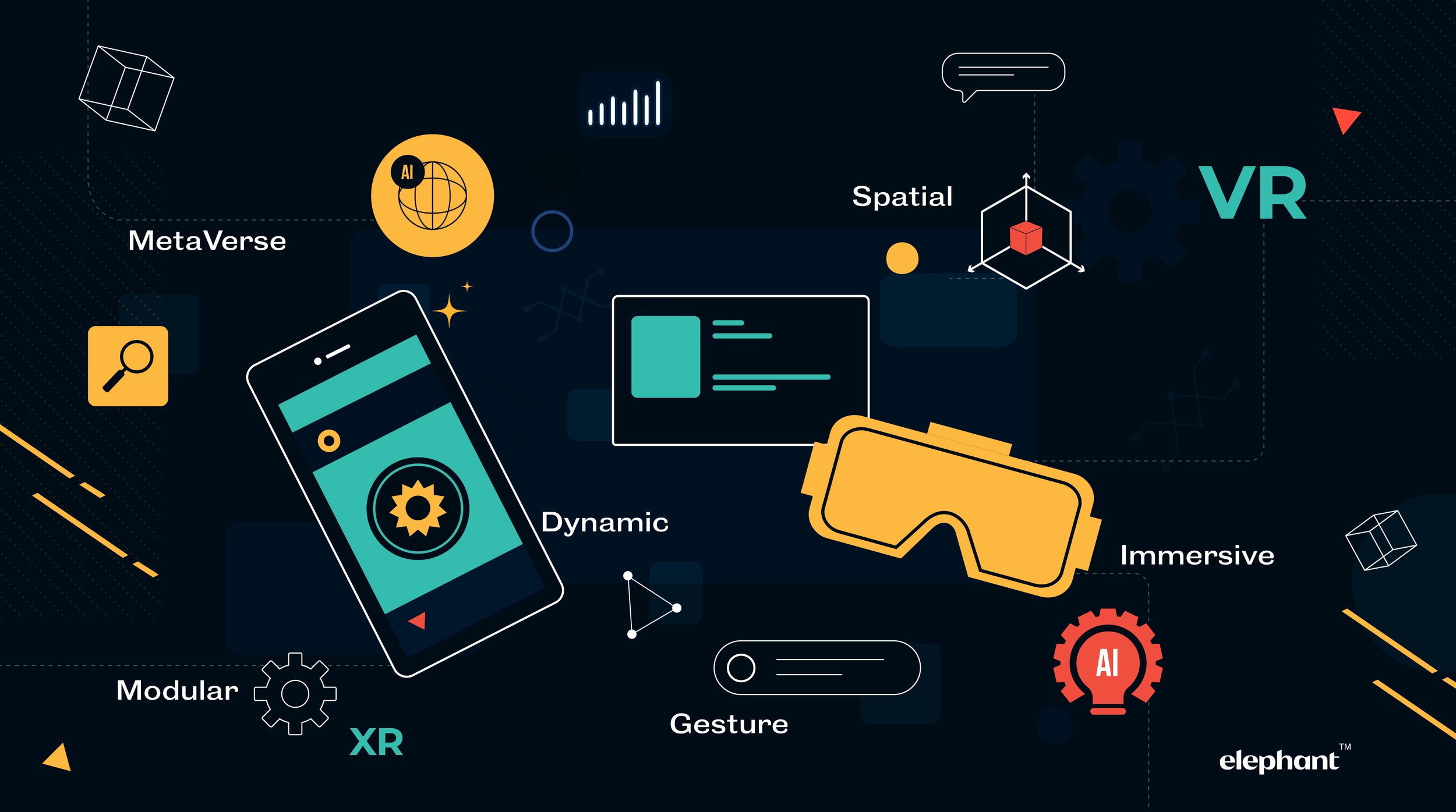
Immersive tech as a design instrument
Elephant uses AR, VR, and XR inside the design process, turning ambiguity into clarity and sharpening decisions before code or physical tooling. VR for product and environment design
VR simulations bring environments and highfidelity models into lifesize context to validate ergonomics, CMF, and interactions, particularly in automotive and healthcare projects. By layering exploded views, haptics, and realscale measurement, teams experience complexity together instead of reading it from static decks.Case study link: https://www.elephantdesign.com/services/digital-product-experience/immersive-experiences/virtual-reality?utm_source=Blog+post&utm_medium=Post&utm_campaign=Virtual+Reality_case+study&utm_id=Virtual+Reality
Wearable‑first AR validation
Wearablefirst AR testing focuses on overlays, gestures, fieldofview, and comfort in situ—exactly where customers or employees act, such as a service bay, store aisle, or clinic corridor. This shifts AR from “wow moment” demonstrations to tools for guidance, training, and decision support in real environments.These workflows connect directly back to Elephant’s roots in industrial and retail design, where context, material, and movement have always been central.Case study link: https://www.elephantdesign.com/services/digital-product-experience/immersive-experiences/augmented-reality?utm_source=Blog+post&utm_medium=Post&utm_campaign=Augmented+Reality_case+study&utm_id=Augmented+Reality
Co‑creation as the operating model
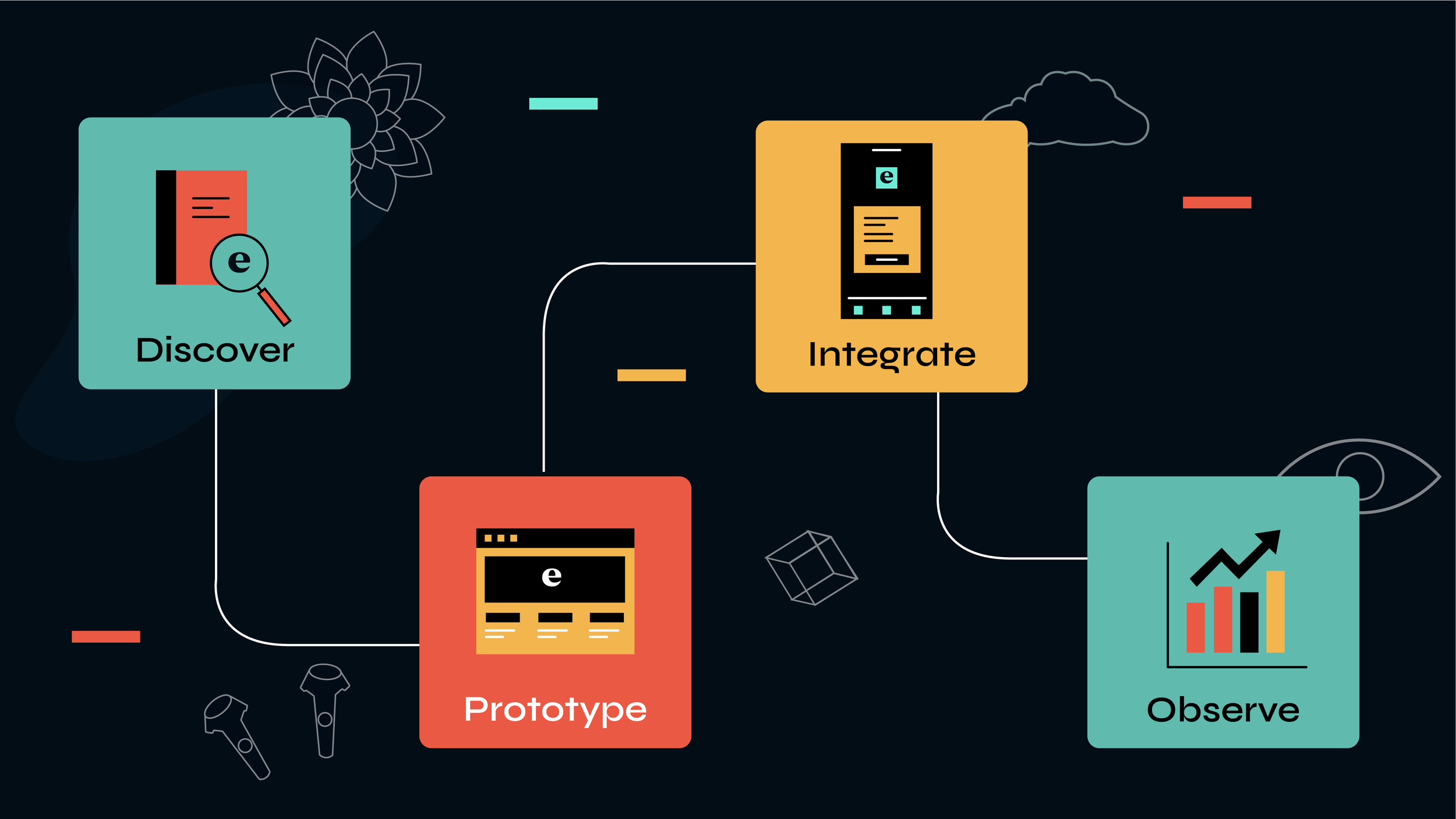
Elephant collaborates with enterprises to co‑create pilots that marry design craft with client stacks—clear contracts, shared metrics, and incremental releases form the backbone of engagement. Composability and governance are embedded from the start so pilots move from evidence to production without costly rework.This approach has been applied across sectors such as healthcare, banking, FMCG, and internal enterprise tools, leveraging the studio’s sectoragnostic experience in digital and physical systems.
Roadmap: intelligence and inclusion
The roadmap for Elephant's digital products practice is anchored on intelligence and inclusion:Embedded AI assistants for context‑aware guidance and explainable actions, with agentic automation orchestrating tasks across channels.Personalization at scale using real‑time data and adaptive UI, designed explicitly for consent, transparency, and user control.Non‑negotiables: accessibility (WCAG 2.2), performance (Core Web Vitals budgets), and sustainability (page‑weight and energy KPIs) are treated as defaults, not afterthoughts.These principles ensure that speed does not come at the cost of inclusion, reliability, or environmental responsibility.
From idea to impact—faster, and smarter
The future is not just more features; it is better experiences shipped sooner and improved continuously. By uniting design craft, technology as a design instrument (including wearable‑first AR), and modular development, Elephant helps teams move from vision to deployment with clarity, speed, and outcomes that matter. For organizations looking to reimagine onboarding, payments, visualization, or entire product journeys, the Digital Products Microsite is an open invitation to explore what is already possible—and to co‑create what comes next.