
Design Needs a Patron
Insights
Great design needs belief, not just briefs.Design thrives when there is room to explore.Long-term relationships build lasting design value.Transactional thinking does not produce transformative design.The best client–designer relationships work as one team.Design needs time, space and institutional support.
🔊 Listen to this article!
Design Needs a Patron. Always.
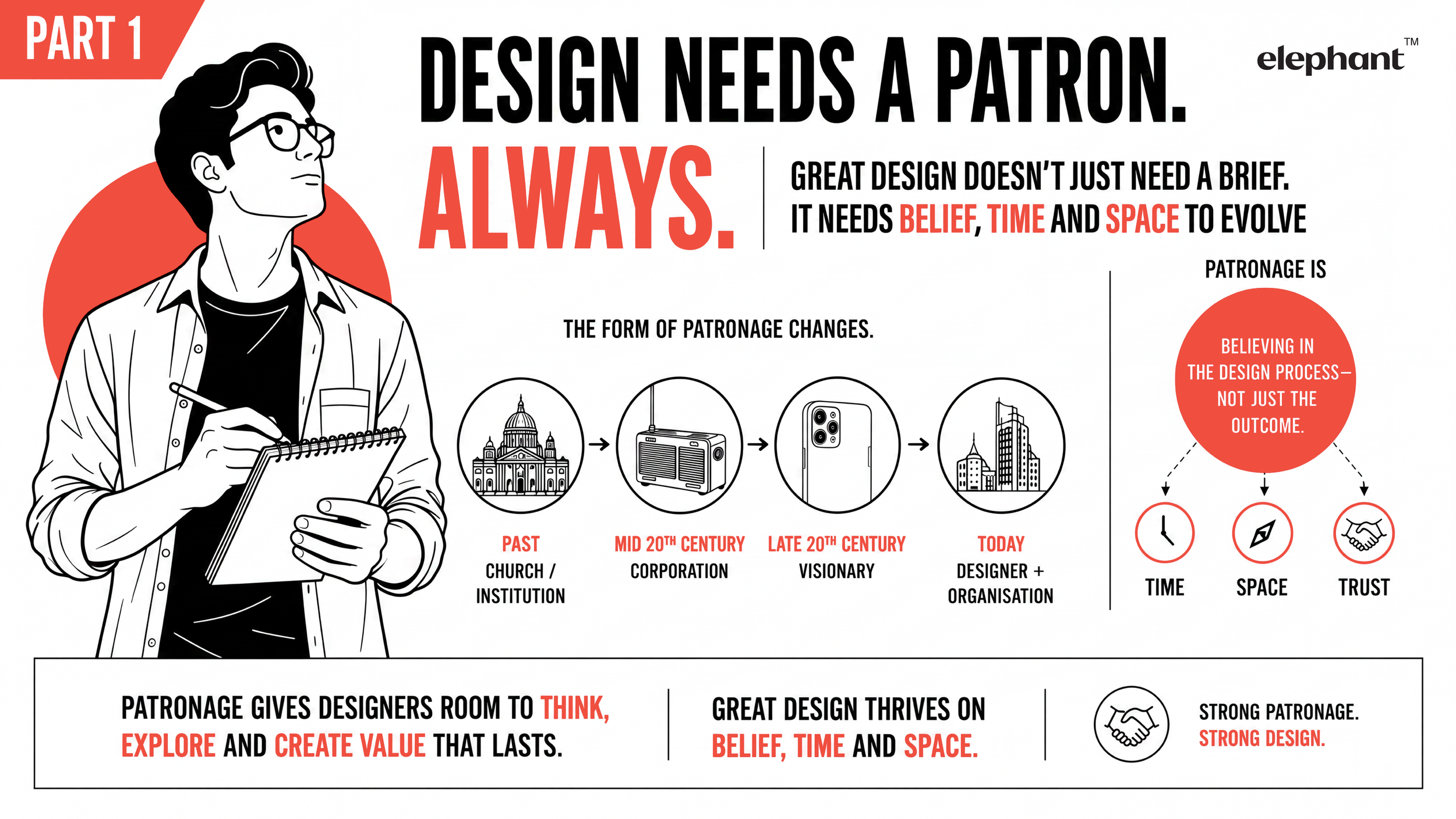
Design is a delicate profession because so much of it depends on human thought, judgement, curiosity and conditioning. And for that reason, designers need patronage.
This was true in the age of Michelangelo and Leonardo da Vinci. It remains true today: consider Raymond Loewy, or Jony Ive.
A patron can take many forms: a church commissioning Michelangelo, a corporation like Braun giving Dieter Rams the space to build a philosophy, or a visionary like Steve Jobs believing deeply in Jony Ive. The form doesn’t matter as much as the continuity of belief. Patronage is about believing in the design process. It is also about trusting an individual or team enough to allow exploration, iteration, experimentation and even occasional dead ends. Because great design needs time and space to evolve.
It allows designers to go beyond the brief, question assumptions and develop a point of view that can create value over the long term. At Elephant, we have been fortunate to experience this kind of patronage with clients such as Symphony, Nirlep, Paper Boat, WickedGud, SynPhNe, MTR and many others. Some relationships have lasted for decades. Our relationship with Symphony Ltd, for instance, has spanned more than 35 years of mutual evolution. We’ve developed design principles, built a distinctive brand language and, importantly, created lasting institutional value. But patronage is rare in the corporate world.
Managers move. Priorities change. Quarterly results dominate. Institutional memory gets shorter. And design can quickly become a series of transactions: commission an agency, expect quick results, move to another agency, bring some in-house team recipe, fix it quickly, and repeat. Design doesn’t thrive particularly well on one-night stands. 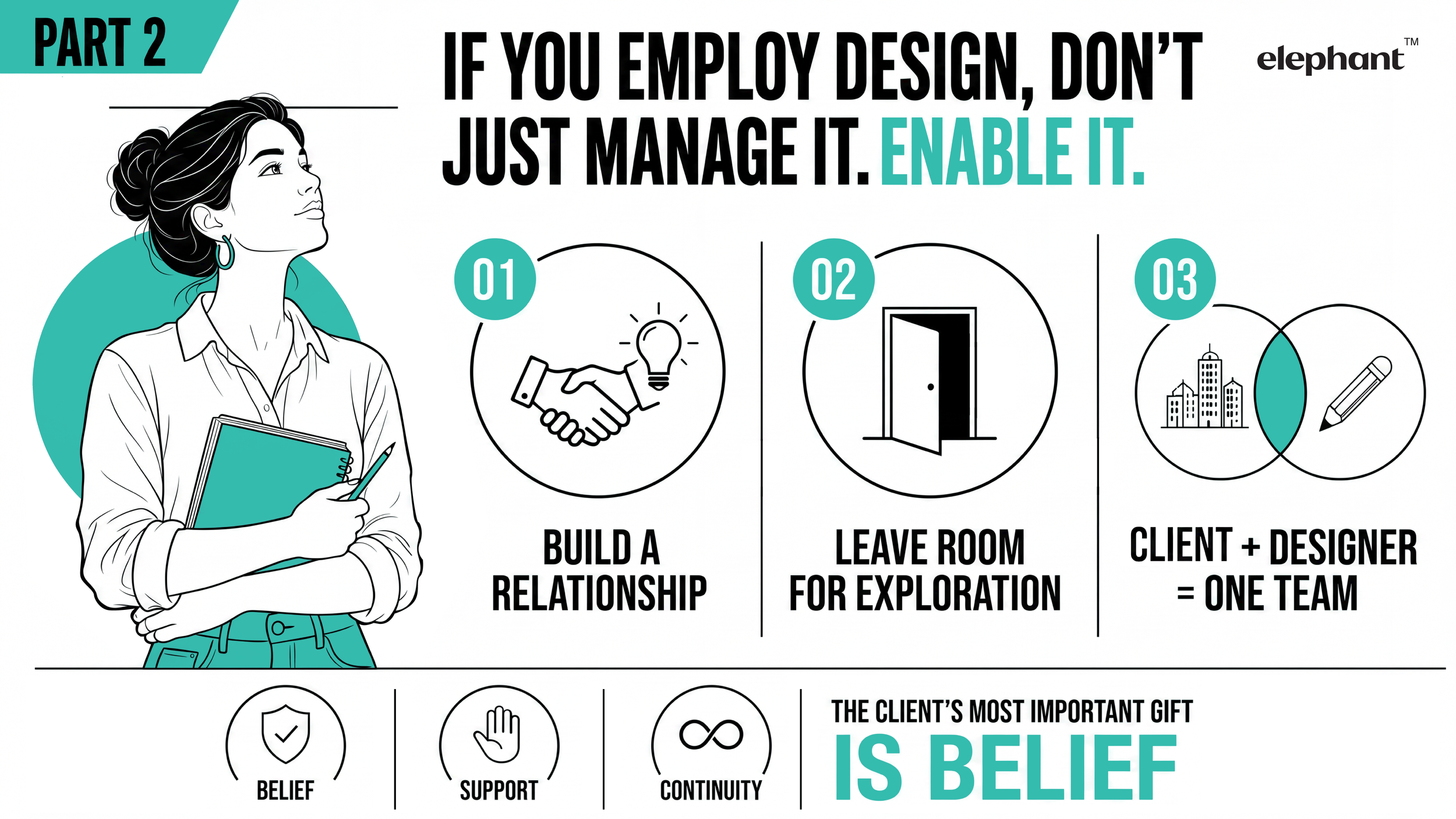
Having practiced design over 37 years, here are my few pointers for employers of design:
1. Don’t just commission design jobs. Build design relationships. Brand managers, product managers, CMOs, CTOs and CEOs should think beyond buying agency hours. Invest in a continuously thinking, design-led growth relationship. 2. Leave room for exploration. Not every design exercise should begin and end with a tightly defined outcome. Loosen the brief occasionally. Some of the most valuable ideas emerge when teams are allowed to explore beyond the immediate objective. 3. Remember: the client and designer are one team. Each side brings a different expertise.
Clients understand their markets, consumers, business, technology, manufacturing and organisational realities.
Designers understand human behaviour, ergonomics, colour, typography, form, materials, finishes, visual language and creative possibilities. The magic happens when both sides trust each other enough to do what they do best. Design teams are sensitive ecosystems. They need a degree of belief, protection and institutional support to anchor good design within the organisation.
And history has repeatedly shown that the returns from long-term design patronage far outweigh the apparent efficiency of transactional thinking.
Perhaps, the most important thing a client can give a designer isn’t a bigger brief. It is belief.
Design Needs a Patron
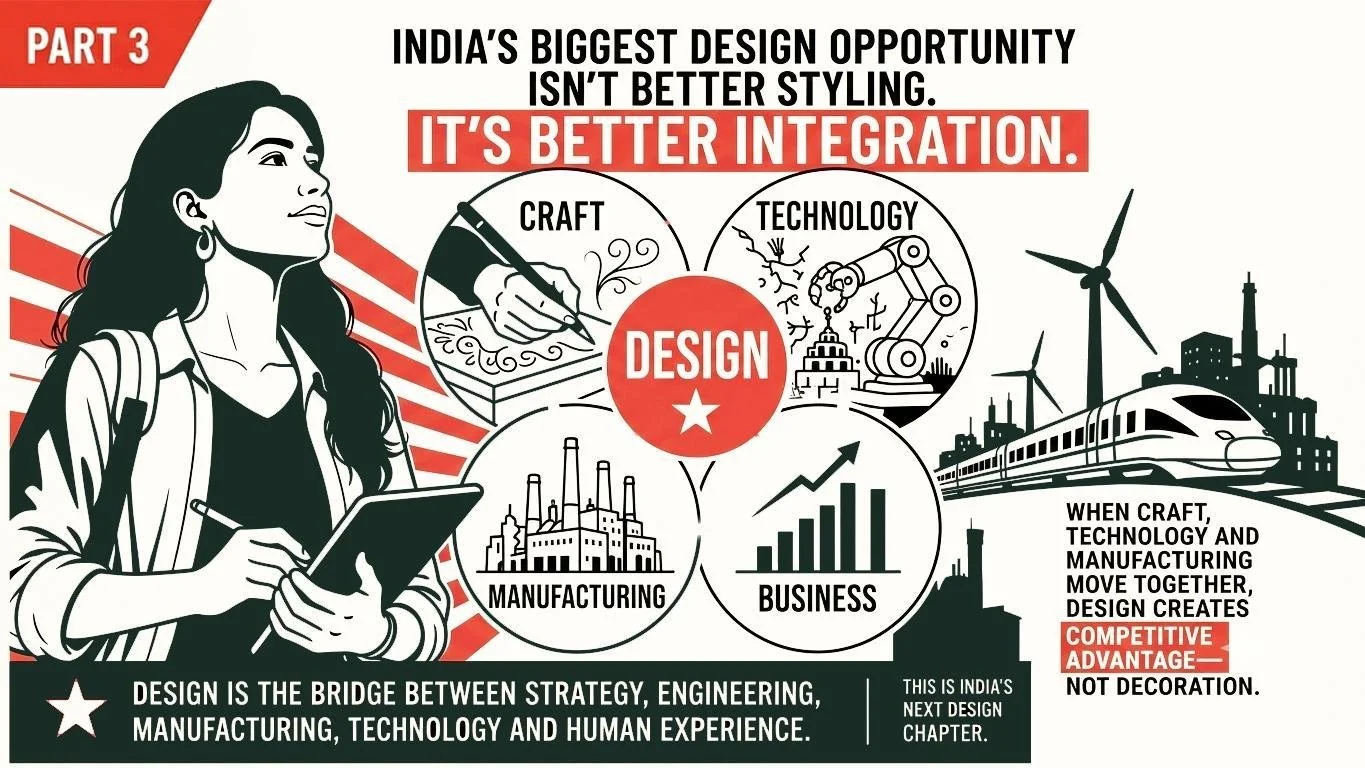
The Design Paradox - PART 3 India’s Biggest Design Opportunity Isn’t Better Styling. It’s Better Integration.
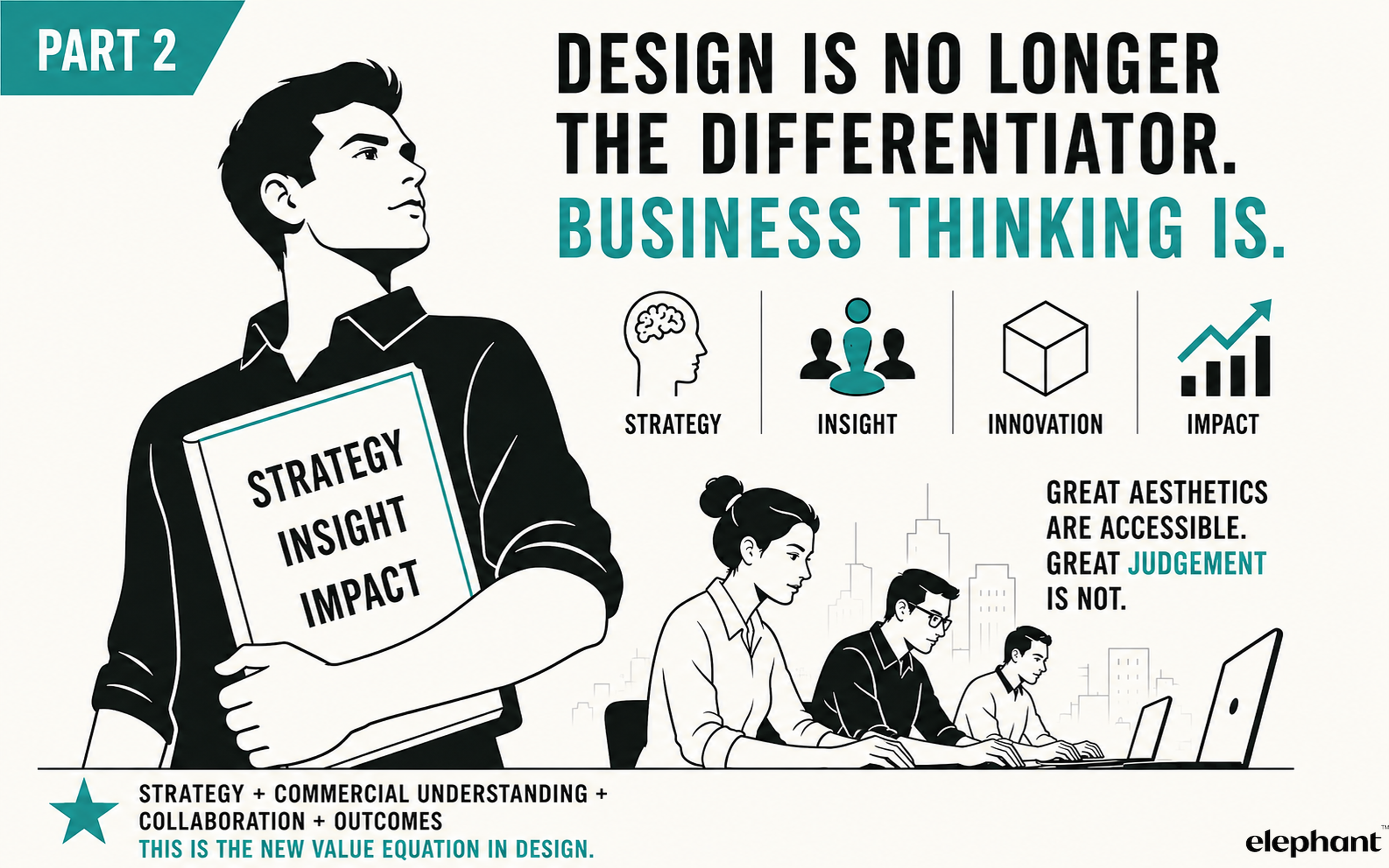
The Design Paradox - Part 2: Design Is No Longer the Differentiator
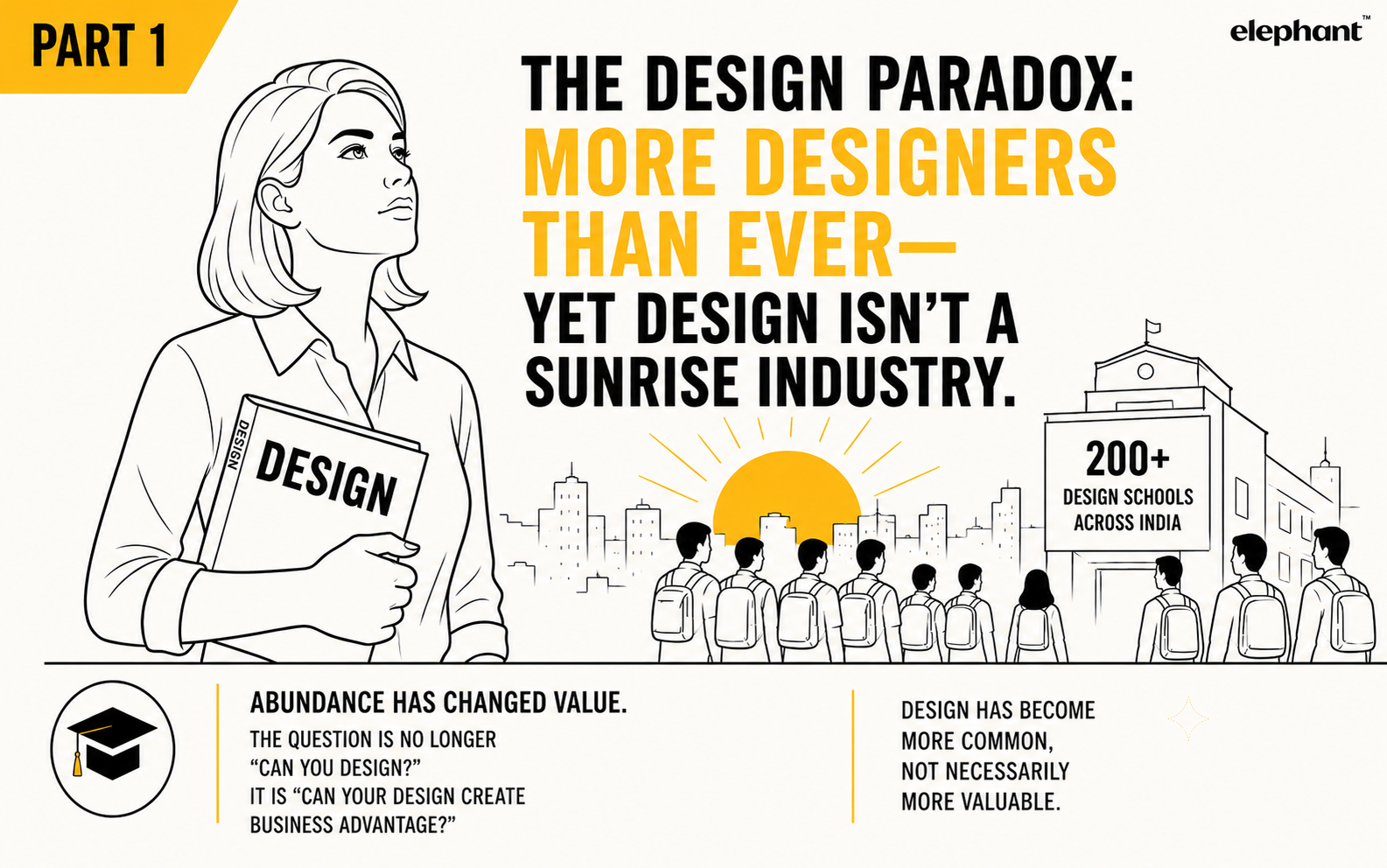
The Design Paradox - The Trajectory of India’s New Design Landscape
Designing Freedom
The Screen Is Not Enough: Why D2C Brands Are Moving Offline
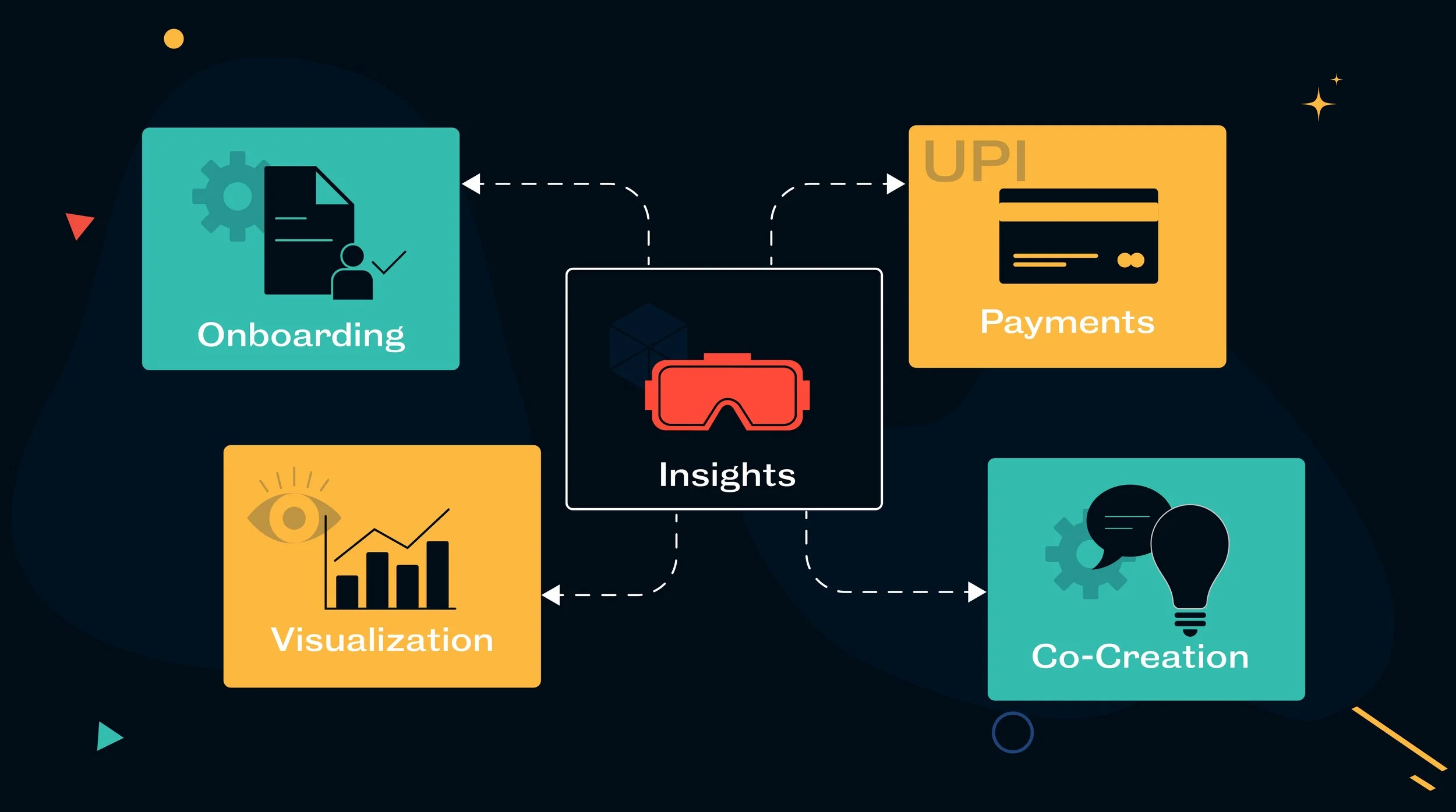
Designing Tomorrow (Part 2): Elephant’s Digital Action Plan

Designing Tomorrow (Part 1): Why Digital Experiences Need a New Blueprint
Note: the blog page layout needs to be set to “Basic Grid Blog” through the page’s settings.
Note: the blog page layout needs to be set to “Basic Grid Blog” through the page’s settings.

Note: the blog page layout needs to be set to “Basic Grid Blog” through the page’s settings.

Note: the blog page layout needs to be set to “Basic Grid Blog” through the page’s settings.

Note: the blog page layout needs to be set to “Basic Grid Blog” through the page’s settings.

Note: the blog page layout needs to be set to “Basic Grid Blog” through the page’s settings.

Note: the blog page layout needs to be set to “Basic Grid Blog” through the page’s settings.

Note: the blog page layout needs to be set to “Basic Grid Blog” through the page’s settings.

Ashish Deshpande is a M Des eq., Industrial Designer, trained at the National Institute of Design, Ahmedabad. He has been a practicing designer for over 34 years as co-founder of the multi-disciplinary Design Consultancy firm, Elephant.

Note: the blog page layout needs to be set to “Basic Grid Blog” through the page’s settings.

Note: the blog page layout needs to be set to “Basic Grid Blog” through the page’s settings.

Note: the blog page layout needs to be set to “Basic Grid Blog” through the page’s settings.

Note: the blog page layout needs to be set to “Basic Grid Blog” through the page’s settings.

Note: the blog page layout needs to be set to “Basic Grid Blog” through the page’s settings.

Note: the blog page layout needs to be set to “Basic Grid Blog” through the page’s settings.

Note: the blog page layout needs to be set to “Basic Grid Blog” through the page’s settings.

Note: the blog page layout needs to be set to “Basic Grid Blog” through the page’s settings.

Note: the blog page layout needs to be set to “Basic Grid Blog” through the page’s settings.

Note: the blog page layout needs to be set to “Basic Grid Blog” through the page’s settings.

Note: the blog page layout needs to be set to “Basic Grid Blog” through the page’s settings.


Framework for Managing Design