
The Design Paradox Part 1 : Trajectory of India's New Design Landscape
Why India Has More Designers Than Ever—Yet Design Isn’t a Sunrise Industry
Insights
Design has never been more visibleScarcity of firms has disappearedAbundance changes perceived valueDesign at risk of becoming replaceableDesign awareness isn't design valueAesthetics alone won't create advantageBusiness impact will define design
🔊 Listen to this article!
When does Design become India’s next sunrise industry?
Why Design is everywhere, yet the Business of Design is still searching for its moment.
Sixty-five years after the establishment of modern design education in India, we have reached an interesting contradiction.

Design has never been more visible.

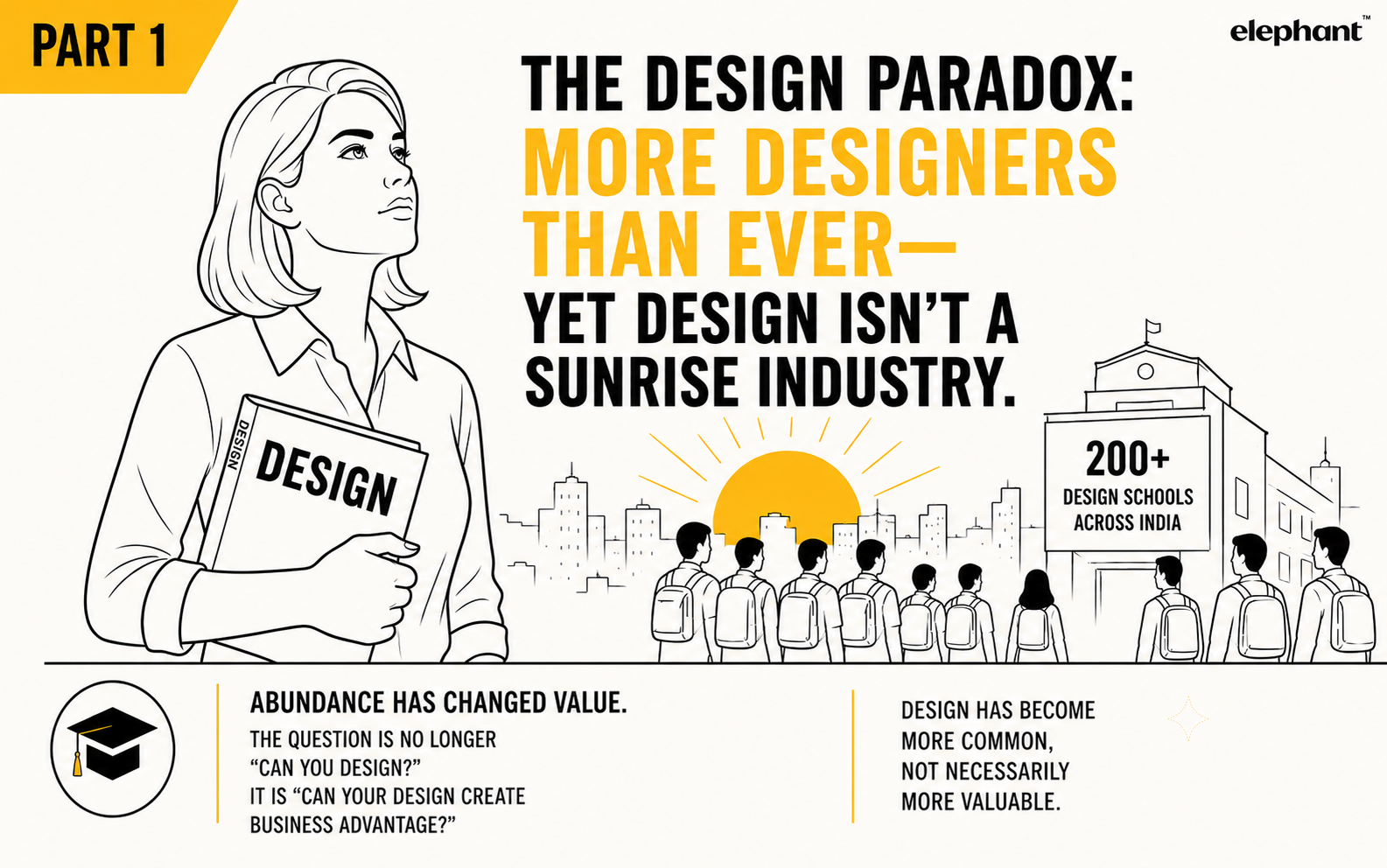
There are now more than 150 elite institutions offering design education across India with a 1000+ colleges offering degree programs1. Thousands of graduates enter the profession every year. Nearly every organisation today speaks the language of design, customer experience, branding, UX or innovation.

Yet the business of design itself has not become India’s next IT story.

Unlike software, pharmaceuticals or digital services, design remains a supporting function, typically housed within Marketing, Engineering or Product Management rather than occupying a seat where business strategy is created. Ironically, design has succeeded in making businesses more design-aware, yet the profession is far from staking its rightful claim of appearing essential, and fundamental.
Why?
One reason is simple economics. As supply has grown dramatically, scarcity has disappeared. Two decades ago, professionally trained designers were relatively rare. Today organisations can choose between design consultancies, freelancers, in-house teams, global agencies, AI-assisted creators and international gig talent. Greater access is undoubtedly good for Indian business. But abundance also changes value. Many young designers begin their careers accepting low commercial expectations—not because they lack talent, but because the market has normalised this practice. The consequence isn’t just lower salaries. There’s a shift in how organisations perceive design: no longer as a specialised capability, but an easily replaceable service. Design as a word has become more common in the Indian lexicon, not necessarily perceived as more valuable. This isn’t unique to design. Photography, software development and content creation have all experienced similar shifts as technology democratised access. The question is no longer:
“Can you design?” The real question is far more resounding: “Can your design create measurable business advantage?” That distinction will increasingly define the next generation of successful designers and design firms. Part 2 explores why great aesthetics alone are no longer enough, and why strategy has become the new design differentiator.
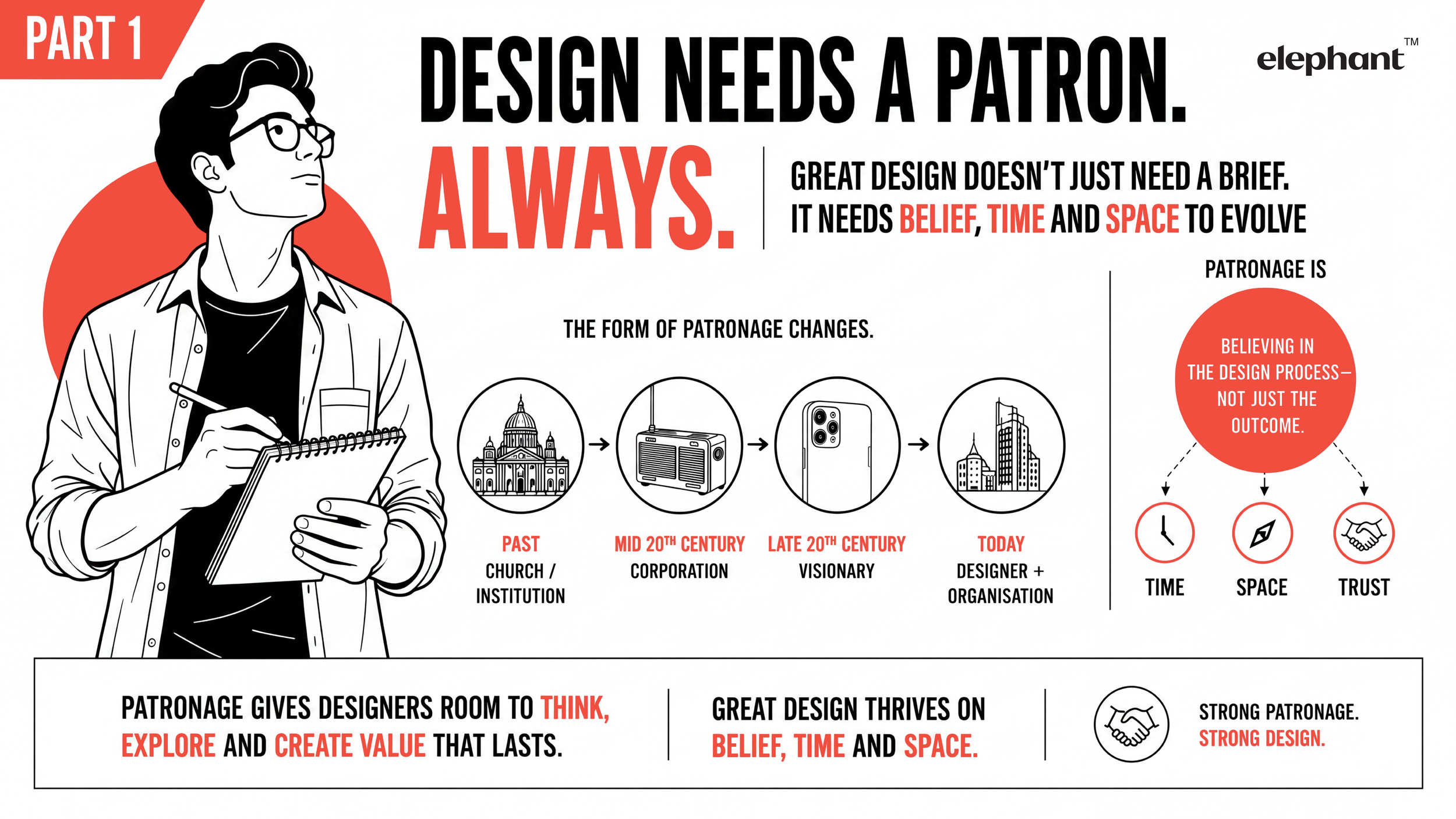
Design Needs a Patron
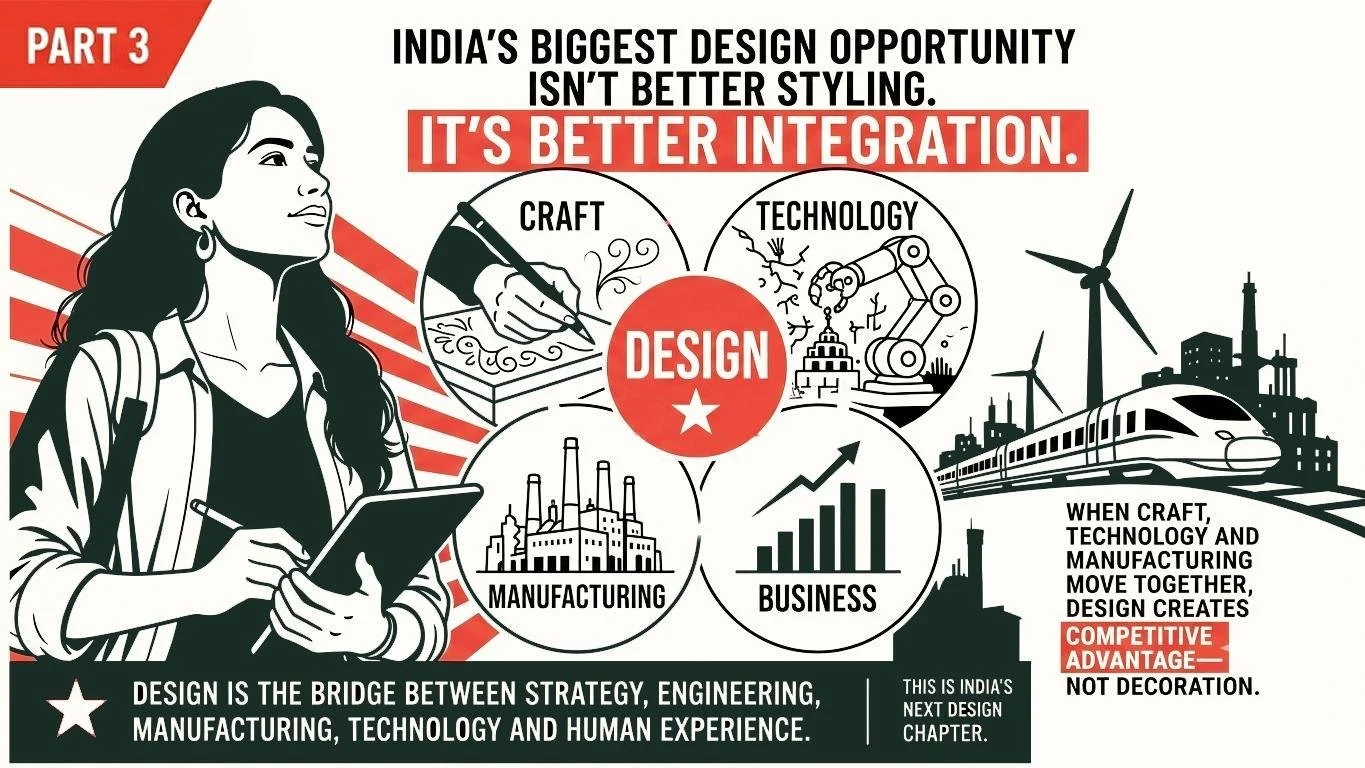
The Design Paradox - PART 3 India’s Biggest Design Opportunity Isn’t Better Styling. It’s Better Integration.
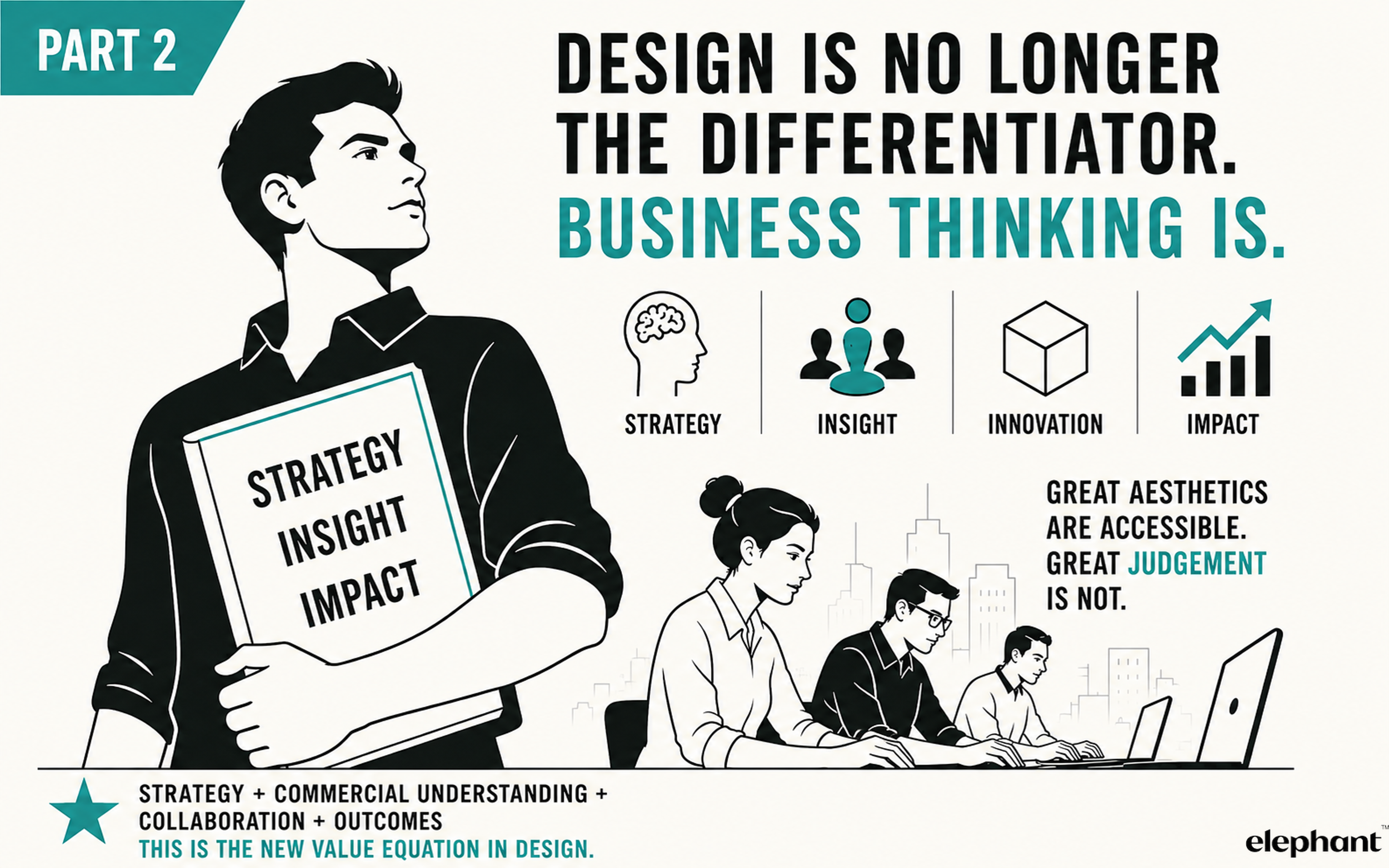
The Design Paradox - Part 2: Design Is No Longer the Differentiator
The Design Paradox - The Trajectory of India’s New Design Landscape
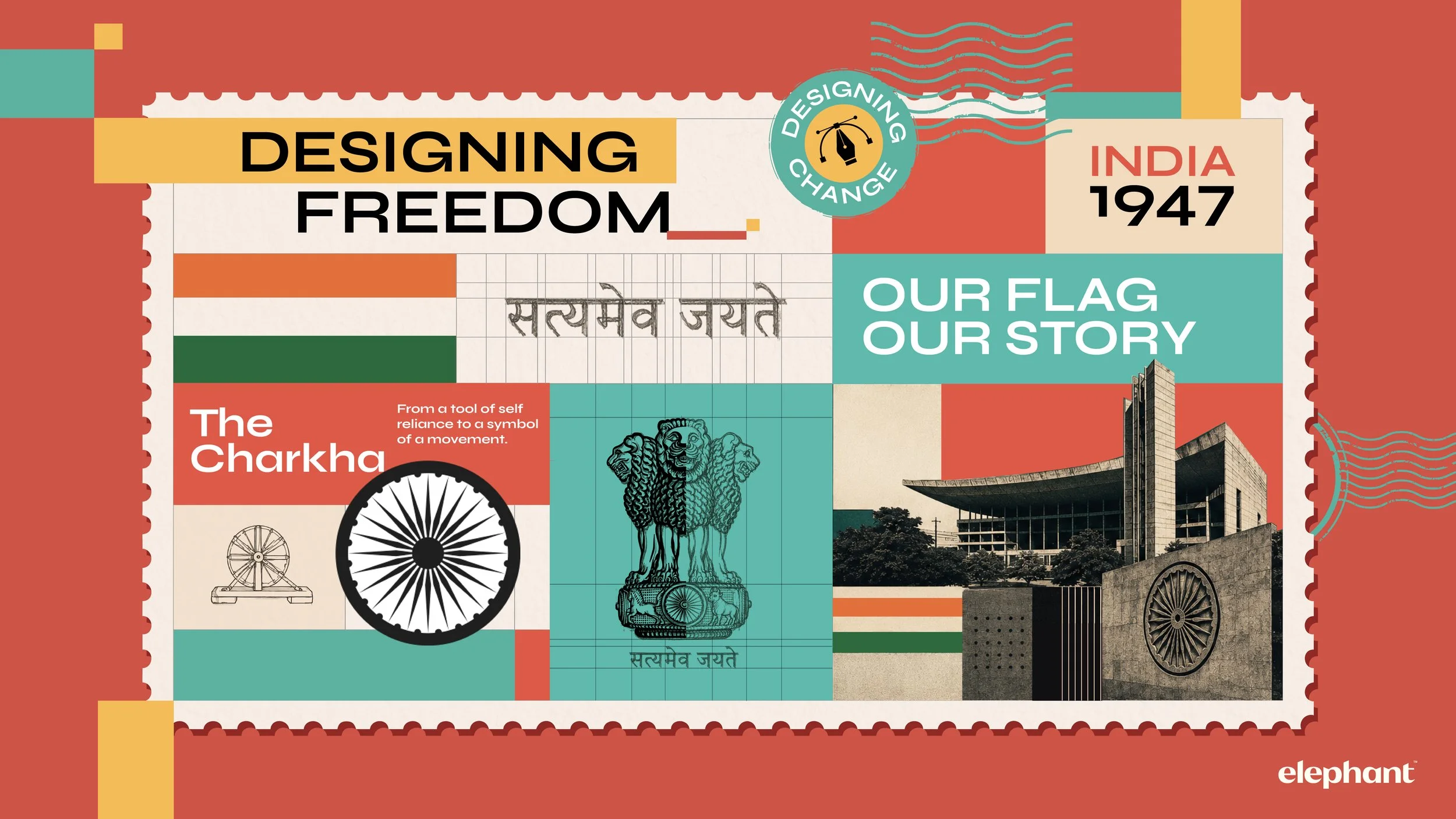
Designing Freedom

The Screen Is Not Enough: Why D2C Brands Are Moving Offline
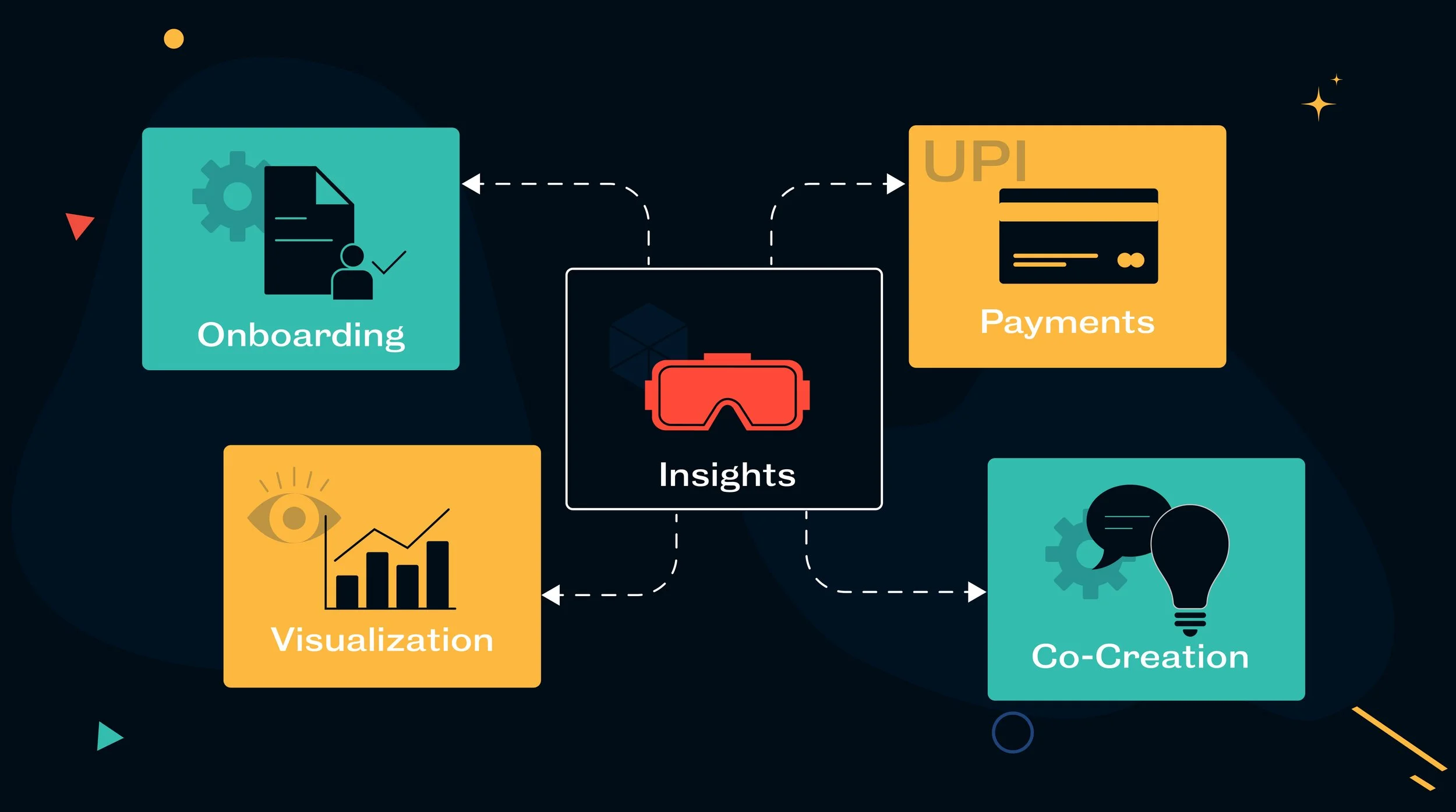
Designing Tomorrow (Part 2): Elephant’s Digital Action Plan
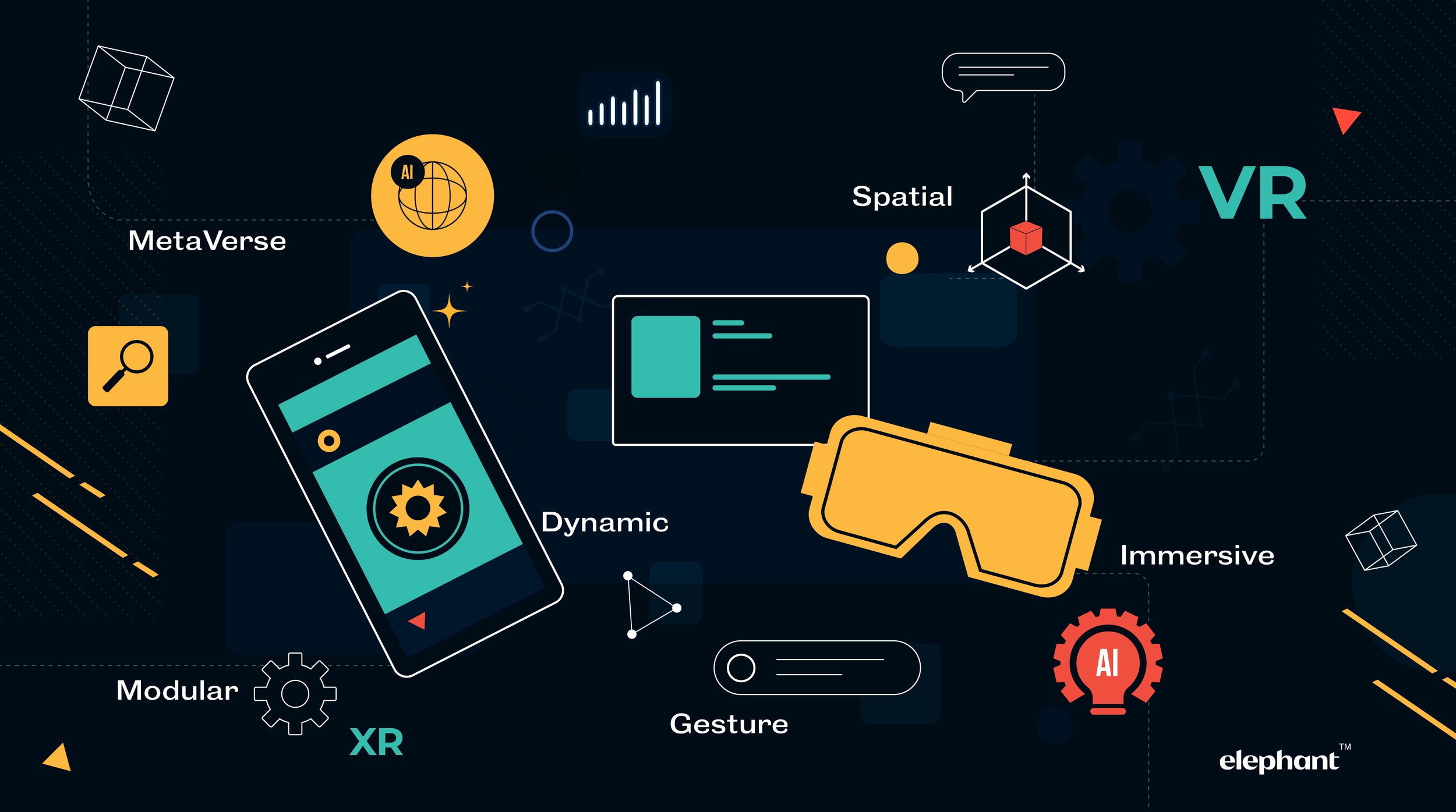
Designing Tomorrow (Part 1): Why Digital Experiences Need a New Blueprint
Note: the blog page layout needs to be set to “Basic Grid Blog” through the page’s settings.
Note: the blog page layout needs to be set to “Basic Grid Blog” through the page’s settings.

Note: the blog page layout needs to be set to “Basic Grid Blog” through the page’s settings.

Note: the blog page layout needs to be set to “Basic Grid Blog” through the page’s settings.

Note: the blog page layout needs to be set to “Basic Grid Blog” through the page’s settings.

Note: the blog page layout needs to be set to “Basic Grid Blog” through the page’s settings.

Note: the blog page layout needs to be set to “Basic Grid Blog” through the page’s settings.

Note: the blog page layout needs to be set to “Basic Grid Blog” through the page’s settings.

Ashish Deshpande is a M Des eq., Industrial Designer, trained at the National Institute of Design, Ahmedabad. He has been a practicing designer for over 34 years as co-founder of the multi-disciplinary Design Consultancy firm, Elephant.

Note: the blog page layout needs to be set to “Basic Grid Blog” through the page’s settings.

Note: the blog page layout needs to be set to “Basic Grid Blog” through the page’s settings.

Note: the blog page layout needs to be set to “Basic Grid Blog” through the page’s settings.

Note: the blog page layout needs to be set to “Basic Grid Blog” through the page’s settings.

Note: the blog page layout needs to be set to “Basic Grid Blog” through the page’s settings.

Note: the blog page layout needs to be set to “Basic Grid Blog” through the page’s settings.

Note: the blog page layout needs to be set to “Basic Grid Blog” through the page’s settings.

Note: the blog page layout needs to be set to “Basic Grid Blog” through the page’s settings.

Note: the blog page layout needs to be set to “Basic Grid Blog” through the page’s settings.

Note: the blog page layout needs to be set to “Basic Grid Blog” through the page’s settings.

Note: the blog page layout needs to be set to “Basic Grid Blog” through the page’s settings.


Framework for Managing Design